
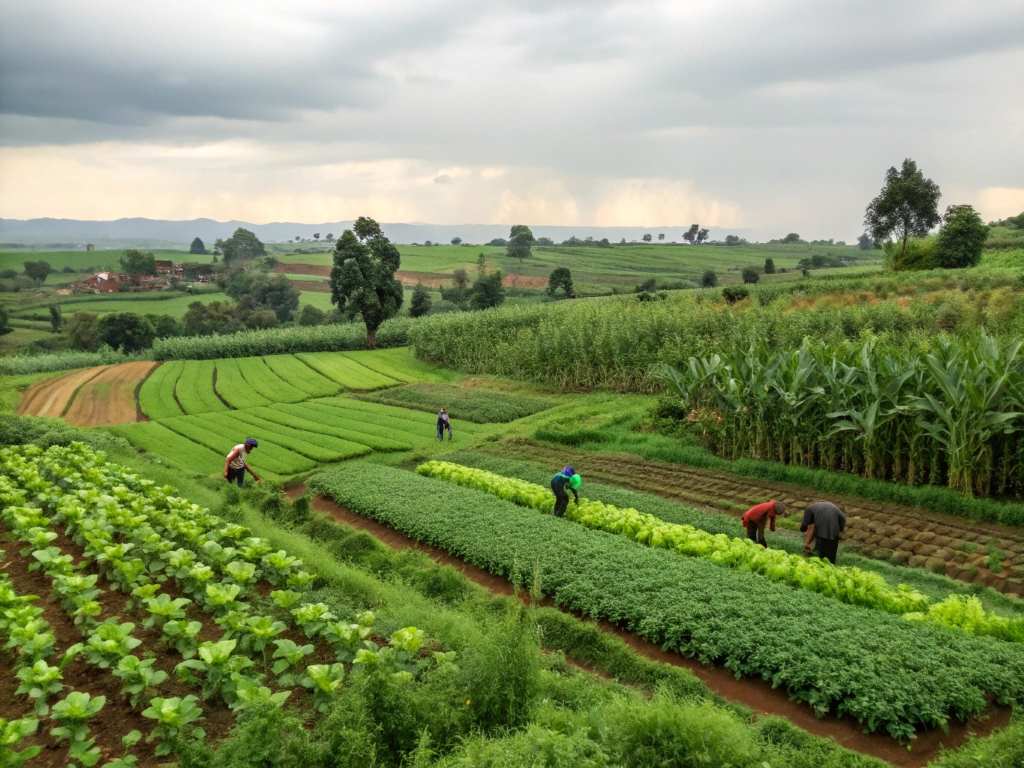
Once, on a family farm in Iowa, I watched my uncle plant cover crops to enrich the soil. That memory stuck with me, showing how regenerative agriculture can heal the earth. Today, businesses are turning to regenerative agriculture to boost corporate sustainability. This approach restores soil health, captures carbon, and supports ecosystems. It’s not just farming—it’s a movement for a healthier planet. Companies adopting regenerative practices see environmental and economic benefits. According to a 2021 Rodale Institute study, regenerative farming can sequester 1.2 tons of carbon per acre annually. This blog explores how regenerative agriculture shapes corporate sustainability, offering a path to a greener future. Let’s dive into its transformative power.
What Is Regenerative Agriculture?
Regenerative agriculture is a farming method that restores soil health, enhances biodiversity, and captures carbon. Unlike conventional farming, which often depletes soil, regenerative practices like cover cropping and crop rotation rebuild ecosystems. Farmers use fewer chemicals, promoting natural processes. This approach not only improves soil fertility but also fights climate change. For instance, a 2020 study by the University of California found regenerative farms reduce greenhouse gas emissions by up to 30%.
Moreover, regenerative agriculture supports long-term food security. Healthy soils produce resilient crops, even in harsh conditions. Businesses investing in regenerative practices see reduced supply chain risks. My uncle’s farm, for example, thrived after adopting no-till methods, yielding healthier crops with less water. By prioritizing soil health, regenerative agriculture becomes a cornerstone of corporate sustainability, aligning profit with planet. Learn more from Rodale Institute.
Why Corporate Sustainability Matters
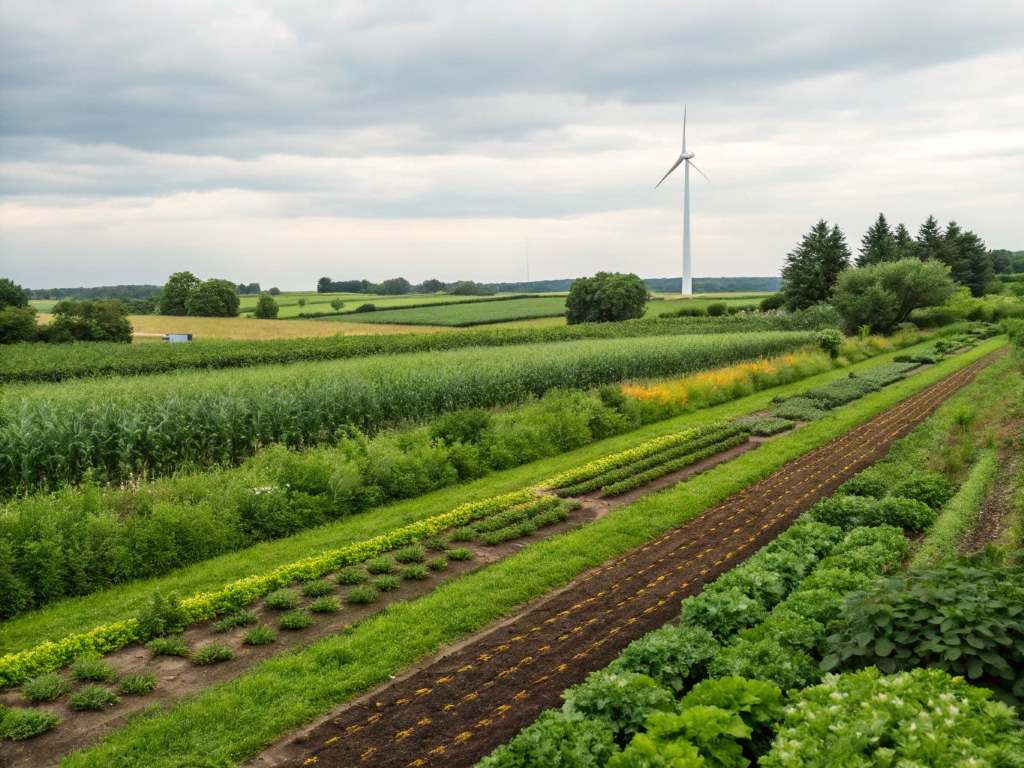
Corporate sustainability is about businesses taking responsibility for their environmental and social impact. It’s no longer optional—consumers demand eco-conscious practices. Companies embracing sustainability gain trust and loyalty. Regenerative agriculture fits perfectly here, offering a way to reduce carbon footprints while supporting communities. A 2023 McKinsey report states that 66% of consumers prefer brands with sustainable practices, boosting sales.
Additionally, sustainability mitigates risks. Climate change disrupts supply chains, but regenerative agriculture builds resilience. For example, companies like General Mills partner with farmers to adopt regenerative methods, ensuring stable crop yields. My visit to a regenerative farm showed me how these practices create vibrant ecosystems, from buzzing pollinators to richer soil. By integrating regenerative agriculture, businesses achieve corporate sustainability, balancing profit with purpose. This shift isn’t just ethical—it’s smart business. Explore more at McKinsey & Company.
How Regenerative Agriculture Drives Sustainability
Carbon Sequestration and Climate Impact
Regenerative agriculture captures carbon in the soil, reducing greenhouse gases. Practices like cover cropping and reduced tillage lock carbon underground. According to the Rodale Institute, regenerative systems can sequester up to 1.2 tons of carbon per acre yearly. This makes it a powerful tool for corporate sustainability, helping companies meet net-zero goals. For instance, Microsoft partners with regenerative farmers to offset emissions, aligning with its 2030 carbon-negative target.
Moreover, carbon sequestration improves soil health, boosting crop yields. Healthier soils retain more water, reducing irrigation needs. During a farm tour, I saw how cover crops prevented erosion, creating resilient fields. By adopting regenerative agriculture, companies lower their environmental impact while ensuring long-term productivity. This dual benefit makes regenerative agriculture a cornerstone of corporate sustainability, driving both ecological and economic gains.
Enhancing Biodiversity and Ecosystems
Regenerative agriculture promotes biodiversity by fostering healthy ecosystems. Diverse crops and reduced pesticide use attract pollinators and wildlife. This strengthens food systems, critical for corporate sustainability. A 2022 Nature study found regenerative farms host 30% more species than conventional ones. Companies like Patagonia use regenerative sourcing to protect ecosystems, enhancing brand reputation.
Furthermore, biodiversity reduces risks from pests and climate variability. My uncle’s farm, with its mix of crops and wildflowers, buzzed with bees, ensuring pollination. Businesses benefit from stable supply chains by supporting regenerative practices. This approach aligns with consumer values, as people increasingly choose eco-friendly brands. By prioritizing biodiversity, regenerative agriculture helps companies achieve corporate sustainability while nurturing the planet.
Economic Benefits for Businesses
Regenerative agriculture isn’t just green—it’s profitable. Healthier soils yield more crops, reducing costs for farmers and businesses. Companies like Nestlé report 20% cost savings in supply chains after adopting regenerative practices. This economic edge supports corporate sustainability by aligning profitability with environmental goals. Stable yields also mean fewer disruptions, ensuring consistent supply.
Additionally, regenerative agriculture opens new markets. Consumers prefer sustainable products, and brands showcasing regenerative practices gain loyalty. My experience at a local market showed how regenerative farms attracted eco-conscious buyers. By investing in regenerative agriculture, companies enhance their reputation and bottom line. This synergy of profit and planet makes regenerative agriculture a game-changer for corporate sustainability, proving businesses can thrive while doing good.
Challenges and Solutions in Adoption
Overcoming Initial Costs
Adopting regenerative agriculture can be costly upfront. Farmers need training, new equipment, and time for soil recovery. This can deter companies focused on short-term profits. However, long-term savings outweigh initial costs. A 2021 USDA report shows regenerative farms cut input costs by 15% over five years. Companies can support farmers through funding or partnerships, easing the transition.
Moreover, government incentives help. Programs like the USDA’s Conservation Stewardship Program offer financial aid for regenerative practices. My uncle’s farm benefited from such grants, making the switch affordable. Businesses can also share costs with suppliers, ensuring mutual benefits. By addressing these challenges, companies integrate regenerative agriculture into corporate sustainability, creating a win-win for profit and planet.
Scaling Regenerative Practices
Scaling regenerative agriculture across supply chains is complex. It requires coordination among farmers, suppliers, and corporations. Resistance to change and lack of knowledge can slow progress. However, training programs and partnerships bridge this gap. For example, General Mills trains farmers in regenerative methods, scaling impact across its supply chain.
Additionally, technology aids adoption. Tools like soil sensors optimize regenerative practices, improving efficiency. My visit to a tech-equipped farm showed how data-driven decisions boosted yields. Companies can invest in such innovations to scale regenerative agriculture. By overcoming these hurdles, businesses strengthen corporate sustainability, ensuring widespread environmental and economic benefits.
The Future of Regenerative Agriculture in Business
The future of regenerative agriculture is bright, with businesses increasingly embracing it. Companies like Unilever are committing to regenerative sourcing by 2030, aligning with global sustainability goals. This trend reflects growing consumer demand for eco-friendly practices. By integrating regenerative agriculture, businesses future-proof their operations against climate risks.
Moreover, collaboration is key. Industry leaders, governments, and NGOs must work together to scale regenerative practices. My experience volunteering with a local farming co-op showed how collective efforts amplify impact. As more companies adopt regenerative agriculture, it will redefine corporate sustainability, creating a resilient, thriving planet. The time to act is now—businesses must lead the charge.
Conclusion
Regenerative agriculture is transforming corporate sustainability, offering a path to a healthier planet and stronger businesses. By restoring soil, capturing carbon, and boosting biodiversity, it aligns profit with purpose. Companies adopting regenerative practices see economic and environmental gains, from cost savings to consumer loyalty. My uncle’s farm taught me the power of nurturing the land, a lesson businesses are now embracing. As challenges like costs and scaling are addressed, regenerative agriculture will shape a sustainable future. Join the movement—share your thoughts in the comments or spread this article to inspire others. Together, we can build a greener tomorrow through corporate sustainability.
FAQs
What is regenerative agriculture?
Regenerative agriculture is a farming approach that restores soil health, enhances biodiversity, and captures carbon, supporting sustainable ecosystems.
How does regenerative agriculture help corporate sustainability?
It reduces carbon footprints, improves supply chain resilience, and meets consumer demand for eco-friendly practices, aligning profit with planet.
What are the economic benefits of regenerative agriculture?
Businesses save on supply chain costs, gain consumer loyalty, and access new markets by adopting regenerative practices.
What challenges do companies face in adopting regenerative agriculture?
Initial costs and scaling complexities are hurdles, but partnerships, incentives, and technology help overcome them.
How can businesses start integrating regenerative agriculture?
They can partner with farmers, invest in training, and use technology to adopt regenerative practices effectively.