
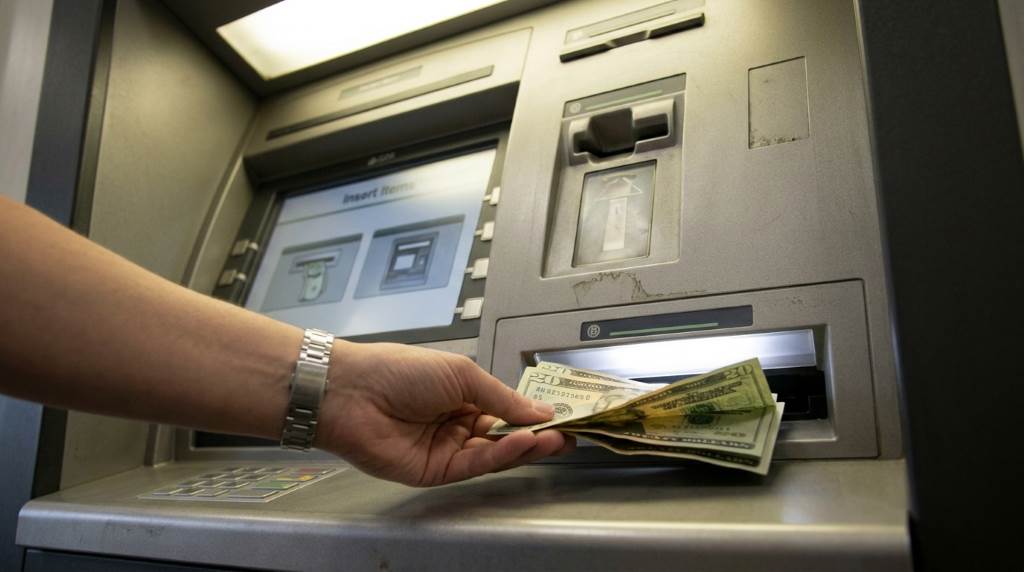
ATM deposit errors can feel stressful, especially when your account balance does not update correctly after a transaction. According to banking industry reports, millions of ATM deposits occur every day, while transaction errors remain relatively uncommon. However, even a small percentage affects many customers annually. This guide explains practical recovery steps while also serving as an ATM deposit adjustment guide for anyone facing unexpected deposit problems. Following the correct process improves your chances of receiving a faster resolution.
Understand Why ATM Deposit Errors Happen
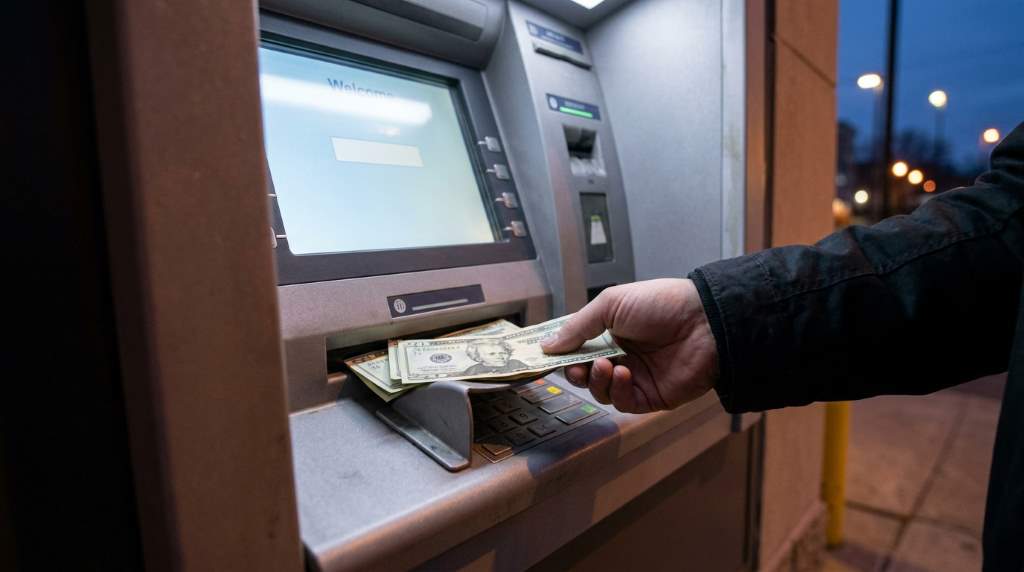
ATM deposit errors happen for several reasons, including hardware issues, communication failures, or damaged cash. Sometimes the machine accepts money but cannot complete verification because technical interruptions occur. Additionally, software updates occasionally delay transaction processing until banking systems finish synchronization.
Many banks maintain electronic transaction records that help investigators review every deposit. During financial planning, businesses also use technology to reduce processing mistakes, similar to strategies discussed in chatbot business ideas that improve customer support efficiency.
Common Causes
- Temporary network interruptions.
- Cash jams inside the machine.
- Unreadable or damaged bills.
- Power interruptions during processing.
- Incorrect envelope handling on older ATMs.
Take Immediate Action After the Error
First, stay near the ATM until you gather important transaction details. Next, record the exact time, machine location, deposit amount, and any displayed error message. These details significantly help investigators verify your transaction later.
If the ATM prints a receipt, keep it safely because it contains valuable reference information. Otherwise, photograph the screen whenever possible without exposing personal banking information to nearby people.
Important Information to Collect
- ATM identification number.
- Date and transaction time.
- Estimated deposited amount.
- Error code if displayed.
- Nearby branch address.
Report the Deposit Problem Quickly
Contact your bank immediately after noticing the missing deposit. Most banks provide dedicated customer service numbers available throughout the day for urgent transaction issues. Early reporting often speeds the investigation process considerably.
Banks usually create a formal claim after verifying your identity and transaction details. Likewise, organizations improve service accuracy through digital systems, much like businesses that automate your business with intelligent workflow tools.
What Customer Support May Request
- Your account number.
- Transaction reference number.
- Approximate deposited amount.
- Description of the error.
- Receipt or supporting photographs.
Know How Banks Investigate Deposit Errors
Banks review electronic transaction logs alongside ATM camera recordings when necessary. Furthermore, technicians inspect cash compartments and compare physical balances against computerized records. This process helps confirm whether deposited money remained inside the machine.
Investigators also analyze software logs that record every customer interaction during each transaction. Therefore, accurate timestamps improve verification because technicians locate the correct transaction much faster.
Typical Investigation Steps
- Review transaction records.
- Inspect ATM cash totals.
- Compare system activity logs.
- Verify surveillance evidence when available.
- Issue account adjustments after confirmation.
Understand Temporary Credits and Final Decisions
Many banks provide temporary account credits while completing complex investigations. However, policies vary because each financial institution follows its own dispute procedures and verification standards. Always review your bank agreement for specific timelines.
After completing the investigation, the bank either confirms the deposit or explains why adjustments cannot occur. Consequently, reviewing the written explanation helps you understand every decision clearly.
Prevent Future ATM Deposit Problems
Although technology continues improving, careful preparation reduces deposit complications significantly. Count your cash carefully before visiting the ATM and remove folded, torn, or damaged bills whenever possible. These simple habits improve successful deposit processing.
Select well maintained ATMs located near staffed branches whenever practical. Branch employees can often assist immediately if unexpected technical issues appear during your transaction.
Helpful Prevention Tips
- Keep every deposit receipt.
- Deposit clean, unfolded bills.
- Avoid rushing transactions.
- Verify account activity afterward.
- Use trusted banking locations.
Special Considerations for Phoenix Customers
Phoenix offers numerous ATM locations across neighborhoods, shopping centers, and financial districts. Nevertheless, choosing machines connected directly to your financial institution often simplifies dispute resolution because transaction records remain centralized.
Weather rarely affects indoor banking equipment, yet outdoor machines occasionally experience temporary technical interruptions during severe environmental conditions. Therefore, checking your mobile banking application immediately after depositing money remains a smart practice.
What to Do if Resolution Takes Longer
Sometimes investigations require additional time because technicians must inspect multiple transaction records carefully. During this period, maintain copies of every communication with customer support representatives. Organized records strengthen your position throughout the review process.
If deadlines pass without updates, politely request a case status using your reference number. Consistent follow up demonstrates attention while helping representatives locate your investigation efficiently.
Conclusion
Resolving ATM deposit errors becomes much easier when you respond quickly and document every important detail. Careful recordkeeping, prompt reporting, and consistent communication support a successful investigation. Most verified deposit issues receive appropriate adjustments after banks complete their reviews. Follow these practical steps whenever an ATM deposit problem occurs, and contact your financial institution immediately for personalized assistance.
Frequently Asked Questions
What should I do immediately after an ATM deposit error?
Record the transaction details, keep your receipt, and contact your bank immediately.
Can an ATM deposit error be corrected?
Yes, banks regularly investigate verified claims and correct confirmed deposit mistakes.
How long do ATM deposit investigations usually take?
Most investigations finish within the timeframe outlined by your bank’s dispute policy.
Should I keep my ATM receipt?
Yes, your receipt provides valuable evidence that supports the investigation process.
Can I prevent future ATM deposit problems?
Yes, using clean bills, saving receipts, and reviewing account activity reduce future risks.