
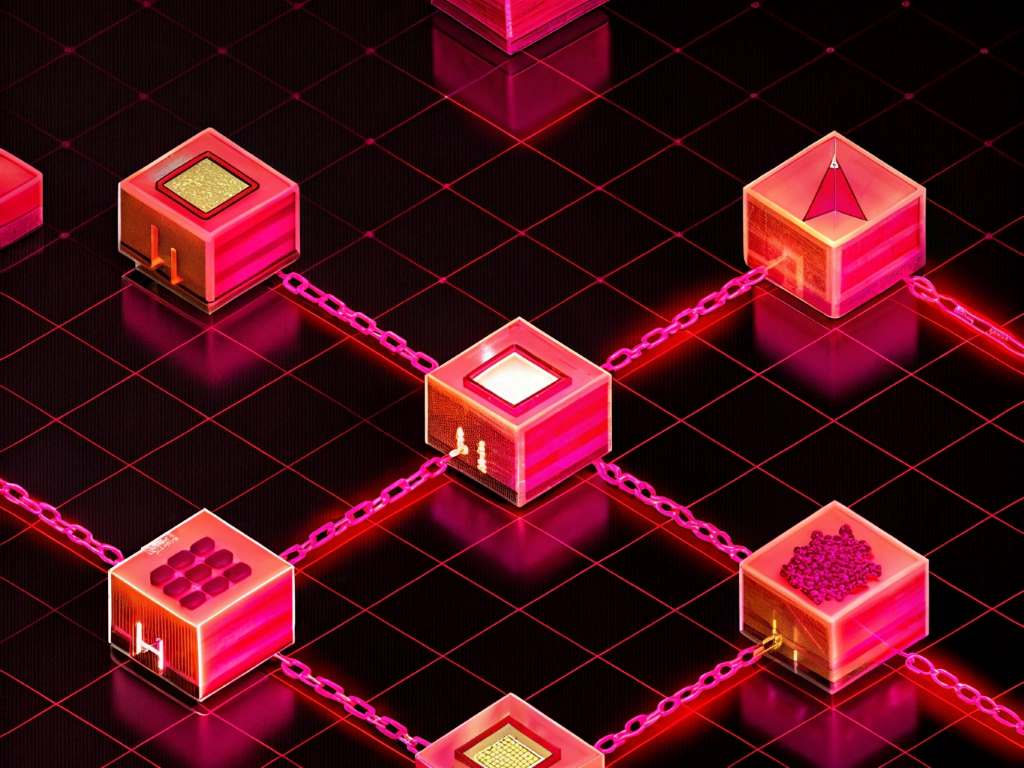
Imagine biting into a crisp apple, wondering where it came from. Was it grown sustainably? Was it handled safely? Blockchain technology is transforming these questions into clear answers by enhancing supply chain transparency in the food industry. This innovative system records every step of a product’s journey, from farm to table, ensuring trust and accountability. Consumers today demand to know their food’s origin, and blockchain delivers. According to a 2023 IBM study, 71% of consumers value transparency in food sourcing. My own experience visiting a local farm showed me how complex supply chains can be. Blockchain simplifies this, offering a transparent, secure way to track food. This blog explores how blockchain revolutionizes the food industry, ensuring safety and trust.
What Is Blockchain and How Does It Work?
Blockchain is a digital ledger that records transactions across multiple computers. Each entry, or block, links to the previous one, forming a secure chain. In the food industry, this means every step—harvesting, processing, shipping—is logged transparently. No one can alter past records without consensus, ensuring data integrity. For example, a tomato’s journey from a farm in California to your plate can be tracked in real time.
This technology eliminates guesswork. Farmers, suppliers, and retailers input data into the blockchain, creating a tamper-proof record. Consumers can scan a QR code on a product to see its full history. According to a 2024 Food Safety Magazine report, 62% of food companies adopting blockchain saw improved consumer trust. Blockchain’s transparency empowers everyone in the supply chain to make informed decisions.
Why Supply Chain Transparency Matters in the Food Industry
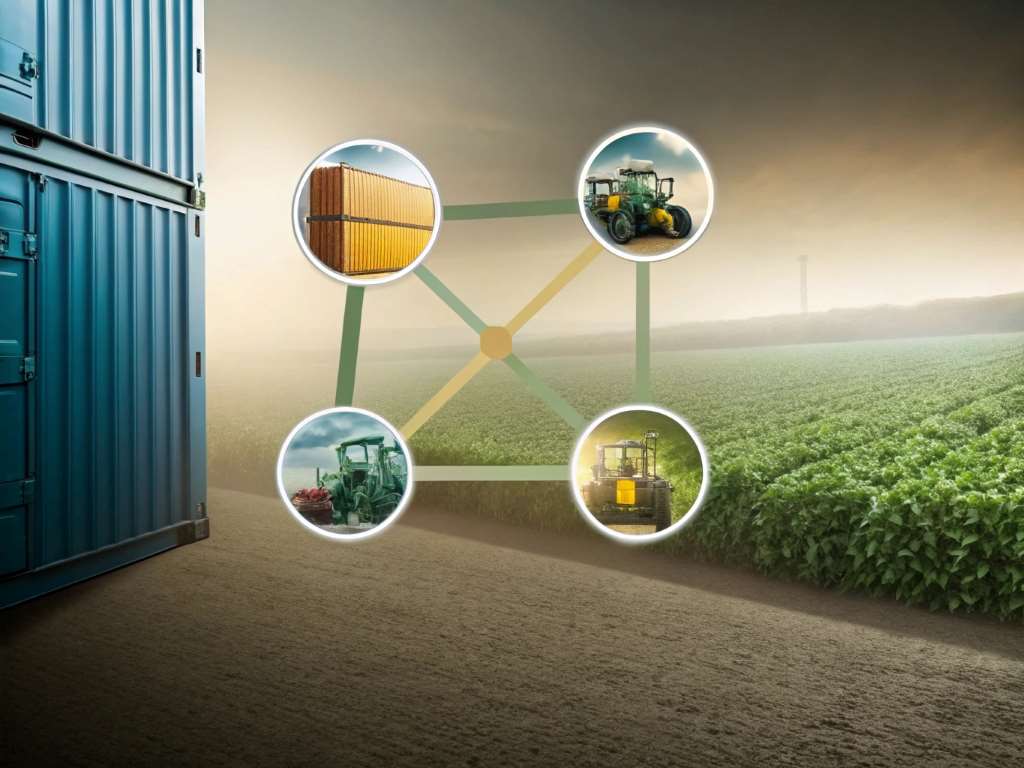
Transparency in the food industry builds trust. Consumers want to know their food is safe, ethical, and sustainable. Opaque supply chains hide risks like contamination or unethical practices. Blockchain addresses this by providing a clear record of every transaction. For instance, during a 2018 E. coli outbreak, it took weeks to trace contaminated lettuce. Blockchain could have pinpointed the source in seconds.
Additionally, transparency supports ethical sourcing. Shoppers increasingly choose brands that align with their values, like fair trade or organic farming. A 2023 Nielsen study found 66% of consumers prefer sustainably sourced products. Blockchain verifies these claims, reducing greenwashing. My visit to a coffee roaster showed how farmers struggled to prove their beans were ethically sourced. Blockchain solves this, ensuring fairness and boosting consumer confidence.
How Blockchain Enhances Food Safety
Food safety is critical, and blockchain strengthens it significantly. By tracking every step in the supply chain, it identifies contamination sources quickly. For example, if a batch of spinach is recalled, blockchain pinpoints the exact farm or facility in minutes, not weeks. This speed saves lives and reduces waste. In 2022, Walmart used blockchain to trace mangoes in under 2 seconds, compared to days without it.
Moreover, blockchain ensures compliance with safety standards. Every participant logs data, from temperature controls to hygiene checks, creating an auditable trail. This reduces errors and fraud. Consumers benefit from safer food, while companies avoid costly recalls. Blockchain’s transparency in safety protocols builds trust, ensuring every bite is worry-free.
Key Benefits of Blockchain for Food Safety
- Rapid Traceability: Identifies contamination sources in seconds.
- Data Integrity: Tamper-proof records ensure accurate safety logs.
- Reduced Waste: Precise recalls target only affected products.
Boosting Consumer Trust Through Transparency
Consumers crave trust in their food choices. Blockchain delivers by offering a window into the supply chain. A QR code on a milk carton, for instance, can reveal the farm, processing plant, and transport details. This openness reassures shoppers about quality and ethics. A personal story: I once hesitated to buy seafood due to overfishing concerns. Blockchain-verified sustainable fishing practices would have eased my mind.
Furthermore, transparency fosters loyalty. When brands share verifiable data, consumers feel valued. A 2024 Deloitte survey showed 59% of shoppers trust brands using blockchain for transparency. Companies like Nestlé and Bumble Bee Foods have adopted blockchain to share sourcing details, strengthening customer relationships. By empowering consumers with knowledge, blockchain transforms trust into loyalty.
Supporting Sustainable Practices
Sustainability is a growing priority in the food industry. Blockchain ensures claims like “organic” or “fair trade” are legitimate. Each step, from soil testing to packaging, is recorded, verifying eco-friendly practices. For example, coffee brands use blockchain to prove beans come from sustainable farms, appealing to eco-conscious buyers.
Additionally, blockchain reduces environmental waste. By tracking products precisely, it minimizes overproduction and spoilage. My experience at a farmers’ market showed how small producers struggle to prove sustainable practices. Blockchain simplifies this, offering a verifiable record. According to a 2023 World Economic Forum report, blockchain could cut food waste by 20% through better tracking. This technology aligns the food industry with a greener future.
Challenges of Implementing Blockchain in the Food Industry
Adopting blockchain isn’t without hurdles. High setup costs can deter smaller businesses. Training staff and integrating systems require time and resources. For instance, small farms may struggle with the tech’s complexity compared to large corporations. My visit to a family-owned vineyard highlighted their hesitation to adopt new tech due to costs.
However, solutions are emerging. Cloud-based blockchain platforms lower expenses, making adoption easier. Collaboration between stakeholders also spreads costs. Despite challenges, the benefits—transparency, safety, trust—outweigh drawbacks. As technology evolves, costs will likely decrease, making blockchain accessible to all. Companies must weigh these challenges against the long-term gains of supply chain transparency.
Real-World Examples of Blockchain in Action
Blockchain is already transforming the food industry. Walmart’s Food Traceability Initiative uses blockchain to track leafy greens and pork, ensuring transparency. In 2023, they traced a lettuce batch in 2.2 seconds, a game-changer for recalls. Similarly, Bumble Bee Foods uses blockchain to verify sustainable tuna sourcing, boosting consumer trust.
Another example is IBM’s Food Trust, which connects farmers, retailers, and consumers. Companies like Carrefour use it to track chicken and eggs, sharing data via QR codes. These examples show blockchain’s real impact. My local grocery store recently adopted blockchain for organic produce, making me confident in my purchases. These success stories prove blockchain’s power in enhancing supply chain transparency.
The Future of Blockchain in the Food Industry
The future of blockchain in the food industry is bright. As technology advances, costs will drop, making it accessible to smaller businesses. Integration with IoT devices, like sensors tracking temperature, will enhance data accuracy. Imagine a future where every product’s journey is instantly accessible via a smartphone scan.
Moreover, consumer demand for transparency will drive adoption. Blockchain could become standard, with governments mandating its use for safety. My hope, as a food enthusiast, is for a world where every bite comes with a story of trust. By embracing blockchain, the food industry can ensure transparency, safety, and sustainability for generations. The journey to a transparent food system is just beginning.
Conclusion
Blockchain is revolutionizing supply chain transparency in the food industry, ensuring safety, trust, and sustainability. From tracing contamination to verifying ethical sourcing, it empowers consumers and businesses alike. My experience exploring local farms showed me the need for clear, trustworthy data—blockchain delivers just that. Despite challenges like costs, the benefits are undeniable. As technology evolves, blockchain will become a cornerstone of the food industry, building a future where every product tells a transparent story. Share your thoughts on blockchain’s impact in the comments below or spread the word by sharing this article!
FAQs
How does blockchain improve food safety?
Blockchain tracks every step in the supply chain, pinpointing contamination sources quickly, reducing risks, and ensuring compliance with safety standards.
Why is supply chain transparency important?
Transparency builds trust, verifies ethical sourcing, and ensures food safety, meeting consumer demand for accountability in the food industry.
What are the challenges of using blockchain?
High setup costs and training needs can be barriers, especially for small businesses, but cloud-based solutions are making adoption easier.
Can blockchain reduce food waste?
Yes, by tracking products precisely, blockchain minimizes overproduction and spoilage, potentially cutting food waste by 20%, per a 2023 study.
How do consumers benefit from blockchain?
Consumers gain trust through verifiable data on food origins, safety, and sustainability, accessible via QR codes, fostering informed choices.