Leading a hybrid team across different time zones has become a normal part of modern business. Many companies now hire talent from different cities, states, and even countries to improve productivity and reduce costs. According to Gallup, hybrid work models continue to grow because employees value flexibility and better work-life balance. At the same time, a report from McKinsey & Company found that businesses with strong remote collaboration practices often achieve higher employee satisfaction and retention. However, managing people across time zones requires clear communication, strong planning, and smart leadership habits.
Understand The Challenges Of Hybrid Teams
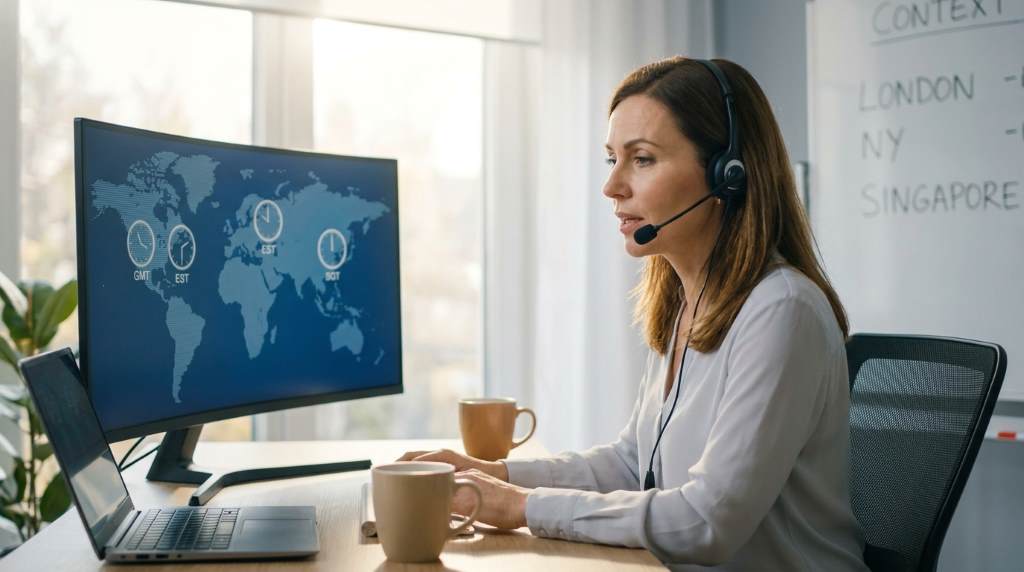
Hybrid teams often deal with communication delays and scheduling conflicts. Team members may also feel disconnected when they work from different locations. For example, employees in New York may begin work while teammates in California still sleep because of the three-hour difference. During winter months in northern USA states like Minnesota or Illinois, severe snowstorms can also disrupt internet access and daily schedules. Therefore, leaders must prepare flexible systems that support consistency and stability.
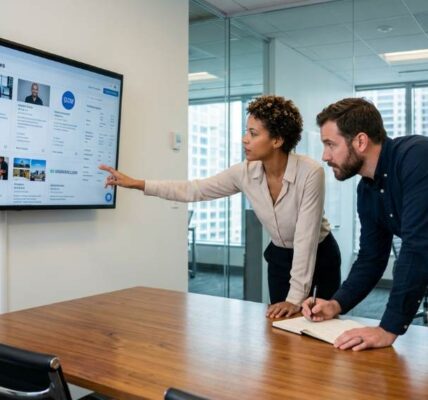
Different time zones can also create confusion around deadlines and meetings. Employees may struggle to know when colleagues are available for urgent discussions. As a result, projects sometimes slow down unnecessarily. In addition, remote workers may feel excluded from decisions made during office meetings. Strong leadership reduces these gaps through transparency and inclusion.
Cultural differences can also influence communication styles and expectations. Some team members may prefer direct communication, while others value detailed explanations. Consequently, misunderstandings may happen more often in distributed teams. Leaders should encourage respectful conversations and clear documentation. This approach helps everyone stay aligned regardless of location.
Build Clear Communication Systems
Effective communication forms the foundation of every successful hybrid team. Leaders should define which channels employees must use for different situations. For example, instant messaging works well for quick updates, while project management tools suit detailed task discussions. Video meetings help teams build stronger personal connections. Meanwhile, written summaries ensure nobody misses important information.
Teams across time zones benefit from asynchronous communication practices. Employees should not expect instant replies outside working hours. Instead, leaders can encourage detailed updates that coworkers can review later. This process reduces stress and improves productivity. It also supports healthier work-life balance for remote employees.

You can improve communication consistency by creating shared guidelines such as:
- Response time expectations
- Meeting etiquette rules
- Preferred communication tools
- Project update procedures
- Emergency contact methods
Additionally, leaders should document important decisions in a central location. Shared knowledge bases help employees access information anytime. This strategy becomes especially useful when team members work opposite schedules. It also prevents repeated questions and unnecessary meetings.
Create Overlapping Working Hours
Hybrid teams need some overlapping hours for collaboration and problem-solving. Leaders should identify at least two to four hours when most employees can work together. For example, a team spread across New York, Texas, and California can schedule collaboration sessions during late morning Pacific Time. This overlap allows everyone to participate without sacrificing personal time.
However, managers should avoid scheduling excessive meetings during overlap periods. Too many calls reduce focus and increase burnout. Instead, reserve meetings for strategic discussions or brainstorming sessions. Use written updates for routine information whenever possible. Employees will appreciate the balance between collaboration and independent work.
Seasonal weather differences across USA locations can also affect scheduling flexibility. Employees in Florida may continue normal operations during winter while coworkers in Colorado deal with heavy snow disruptions. Similarly, hurricane seasons along the Gulf Coast may temporarily impact remote connectivity. Leaders should remain flexible during these events. A supportive attitude strengthens trust and team morale.
Use Shared Calendars Effectively
Shared calendars simplify scheduling across multiple time zones. Team members can easily view availability and avoid unnecessary conflicts. Leaders should encourage employees to block focus time and personal commitments clearly. This visibility improves planning accuracy and reduces frustration.
Modern calendar tools also automatically adjust for time zones. As a result, employees avoid mistakes involving meeting times. Leaders should still confirm major meetings carefully when daylight saving changes occur. Even experienced teams occasionally confuse international schedules. Consistent reminders help prevent missed sessions.
Focus On Results Instead Of Hours
Successful hybrid leadership depends more on outcomes than physical presence. Managers should measure performance using clear goals and deliverables rather than monitoring online activity constantly. Employees perform better when leaders trust them to manage their schedules responsibly. This mindset also encourages accountability and independence.
Many remote employees work differently depending on their location and lifestyle. For example, workers in Arizona may prefer early schedules during extremely hot summer afternoons. Meanwhile, employees in Seattle may choose flexible hours during rainy seasons to balance family responsibilities. Leaders should support reasonable flexibility whenever possible. Productivity often improves when employees control their routines.
Results-based management also reduces micromanagement problems. Team members feel more motivated when leaders focus on achievements instead of constant supervision. Consequently, employees develop stronger ownership of their work. Trust becomes a key driver of long-term team success.
Strengthen Team Culture Across Locations
Hybrid teams need intentional culture-building efforts because employees interact less naturally than office-based teams. Leaders should create opportunities for personal connection during meetings and virtual events. Simple conversations about hobbies, local weather, or weekend plans help employees feel included. These interactions strengthen relationships and improve collaboration.
Virtual celebrations can also improve team morale significantly. For example, teams may celebrate project milestones with online games or digital gift cards. Leaders can recognize birthdays, work anniversaries, and personal achievements publicly. Small gestures often create strong emotional connections. Employees remember thoughtful leadership actions.
You can strengthen team culture through activities like:
- Virtual coffee chats
- Monthly recognition sessions
- Online learning workshops
- Team-building games
- Cross-department collaboration projects
Additionally, leaders should promote inclusivity during discussions. Remote workers must receive equal opportunities to contribute ideas and feedback. Otherwise, office-based employees may dominate conversations unintentionally. Balanced participation creates a healthier and more collaborative environment.
Encourage Informal Communication
Informal conversations help remote employees feel connected to coworkers. Leaders can create dedicated chat channels for casual discussions and social interaction. Team members may share travel stories, cooking tips, or local weather updates. These conversations humanize digital workplaces.
For example, employees in Chicago might discuss snowstorms while teammates in Los Angeles share sunny weekend plans. Such exchanges create natural bonding opportunities despite physical distance. Informal communication also reduces feelings of isolation among remote workers. Employees become more comfortable collaborating professionally afterward.
Use The Right Technology Stack
Technology plays a major role in managing hybrid teams successfully. Leaders should invest in reliable collaboration platforms that support communication, project management, and file sharing. Employees need tools that simplify workflows instead of creating confusion. Consistency across systems improves efficiency and reduces technical frustration.
Popular tools for hybrid teams often include:
- Video conferencing software
- Team messaging platforms
- Cloud-based storage systems
- Project management applications
- Time zone scheduling tools
However, leaders should avoid overwhelming employees with too many platforms. Each tool must serve a clear purpose within the workflow. Otherwise, team members may waste time switching between systems constantly. Simplicity often improves adoption and productivity.
Cybersecurity also becomes more important in distributed workplaces. Remote employees frequently access company data from different networks and devices. Leaders should provide cybersecurity training and secure login procedures. Protecting sensitive information remains critical for every organization.
Develop Strong Meeting Practices
Meetings can either improve collaboration or waste valuable time. Hybrid leaders should plan meetings carefully and include clear agendas beforehand. Employees need enough context to prepare effectively. Structured meetings create better discussions and faster decisions.
Leaders should also rotate meeting times fairly when teams span multiple regions. One group should not always sacrifice early mornings or late evenings. Fair scheduling demonstrates respect for employees’ personal time. Consequently, team morale and engagement improve.
Effective hybrid meetings often include these practices:
- Share agendas early
- Keep discussions focused
- Record important meetings
- Send written summaries afterward
- Encourage participation from everyone
Video fatigue also affects many remote workers. Therefore, leaders should reduce unnecessary meetings whenever possible. Shorter and more focused sessions usually deliver better outcomes. Employees gain more time for meaningful work.
Record Key Discussions
Recorded meetings help employees who cannot attend live sessions due to time zone differences. Team members can review discussions later without missing critical updates. This practice improves inclusivity across distributed teams. It also reduces repeated explanations.
Written summaries remain equally important because some employees prefer reading over watching recordings. Leaders should provide concise notes with clear action items after every major meeting. Documentation creates accountability and improves follow-through. Teams operate more smoothly with accessible information.
Support Employee Well-Being
Hybrid work can blur boundaries between personal and professional life. Employees may feel pressure to remain available outside normal working hours. Leaders should actively encourage healthy work habits and realistic expectations. Burnout prevention must become a leadership priority.
Managers should respect local working hours whenever possible. Sending late-night messages may create unnecessary stress for remote employees. Scheduled message features can help maintain healthier communication boundaries. Employees perform better when they feel rested and supported.
Weather conditions across the USA can also influence employee well-being. Workers in southern states like Texas may experience stress during extreme summer heat and power outages. Meanwhile, employees in northern regions may face seasonal depression during long winters. Leaders should remain empathetic toward local challenges. Flexibility and understanding improve employee loyalty.
Organizations can support well-being through initiatives such as:
- Flexible scheduling policies
- Mental health resources
- Wellness stipends
- Paid time off encouragement
- Virtual fitness programs
Employees who feel supported usually contribute more consistently. Strong well-being programs also reduce turnover and absenteeism. Healthy teams perform better over time.
Improve Accountability And Transparency
Accountability becomes especially important in hybrid work environments. Leaders should define responsibilities clearly for every project and task. Employees need to understand deadlines, priorities, and expected outcomes. Clear expectations reduce confusion and improve execution.
Transparency also strengthens trust within distributed teams. Leaders should communicate company updates honestly and consistently. Employees appreciate visibility into organizational decisions and challenges. Open communication prevents rumors and uncertainty.
Project tracking systems help teams stay aligned across locations and schedules. Employees can monitor progress without waiting for meetings or email updates. This visibility encourages ownership and proactive collaboration. Teams become more self-sufficient and efficient.
Invest In Leadership Development
Managing hybrid teams requires leadership skills that differ from traditional office management. Leaders must learn how to communicate clearly, build trust remotely, and manage distributed workflows effectively. Training programs can help managers adapt successfully. Continuous learning improves leadership confidence and performance.
Companies should also encourage peer learning among managers. Leaders can share successful strategies and lessons from their own hybrid experiences. Collaboration between managers often reveals practical solutions to common challenges. Teams benefit when leadership practices improve consistently across departments.
Future workplace trends will likely increase hybrid and remote work even further. Organizations that invest in modern leadership skills today will remain more competitive tomorrow. Adaptable leaders create stronger and more resilient teams. Long-term success depends heavily on effective hybrid management.
Conclusion
Leading a hybrid team across multiple time zones requires intentional communication, strong planning, and genuine empathy. Leaders must balance flexibility with accountability while creating systems that support collaboration and trust. Clear expectations, reliable technology, and inclusive culture-building practices all contribute to stronger team performance. Additionally, focusing on employee well-being helps teams remain productive and motivated over time.
As hybrid work continues to evolve, businesses that adapt quickly will gain a major competitive advantage. Start improving your hybrid leadership approach today by reviewing your communication systems, meeting structure, and team culture practices. Small improvements can create significant long-term results for distributed teams.
FAQ
How do you manage communication in hybrid teams?
Use clear communication tools, shared documentation, and asynchronous updates to keep everyone aligned.
What is the biggest challenge of managing multiple time zones?
Scheduling meetings and maintaining collaboration across different working hours create the biggest challenges.
Why is asynchronous communication important?
It allows employees to work efficiently without waiting for immediate responses from coworkers.
How can leaders reduce burnout in hybrid teams?
Leaders can encourage healthy work boundaries, flexible schedules, and realistic expectations.
Which tools work best for hybrid team management?
Project management software, video conferencing tools, and shared calendar systems work very well.
Related Reads
Learn: Leading a Multigenerational Workforce: Strategies for Success
Explore: Holacracy vs Sociocracy: Which is Better for Tech Startups?
Check: Can Stress Management Uncover Blind Spots in Leadership?