Proximity bias in hybrid work models creates unfair advantages for in-office employees. It happens when leaders favor those physically present over remote workers. This issue harms team dynamics, employee morale, and company culture. Remote employees often feel overlooked for promotions or recognition. This blog post explores practical strategies to prevent this bias. It offers actionable steps for HR leaders, team leads, and organizations. Expect insights on fostering equity, using technology, and building trust. A personal story and data-driven tips will guide you. Let’s create a fair hybrid workplace together.
Understanding Proximity Bias in Workplaces
Proximity bias occurs when in-office workers gain favor over remote employees. Managers may unconsciously prioritize those they see daily. This affects performance reviews, mentorship opportunities, and team collaboration. Remote workers may feel disconnected from company culture. A 2021 study by the Society for Human Resource Management found 42% of managers favor in-office staff. This bias disrupts hybrid work models.
Organizations must recognize this issue to address it. Bias undermines trust and empathy in teams. It also impacts workforce retention. HR departments play a key role in spotting these patterns. Awareness is the first step to creating equitable workplaces.
Implementing Objective Performance Metrics
Objective performance metrics ensure fair evaluations for all employees. Use data-driven evaluations to measure output, not presence. Tools like project management platforms track contributions clearly. This reduces bias in performance reviews. Set clear performance indicators for every team member.
For example, my colleague Sarah worked remotely. Her manager overlooked her efforts due to less face-to-face time. After implementing measurable goals, her contributions shone. This built trust and boosted her morale. Metrics create transparency in hybrid workplaces.
HR professionals should train leaders on these tools. Regular feedback culture reinforces accountability. Avoid subjective judgments based on office attendance. This approach strengthens organizational culture and supports remote workers.
Leveraging Technology for Equitable Collaboration
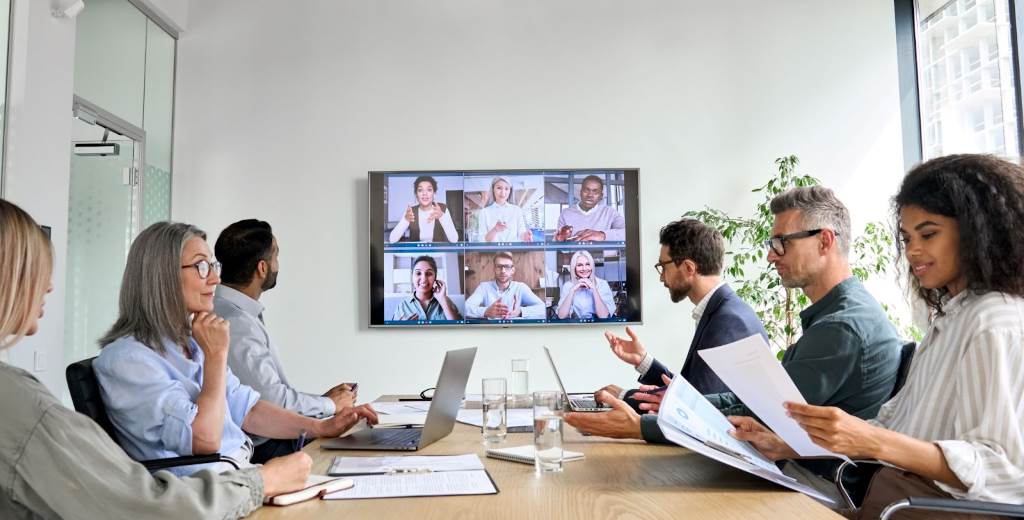
Collaboration tools like Microsoft Teams and Cisco Webex bridge gaps in hybrid work. Virtual meetings ensure remote employees stay connected. Use Google Workspace for real-time document sharing. These platforms promote asynchronous communication across time zones. This levels the playing field for all workers.
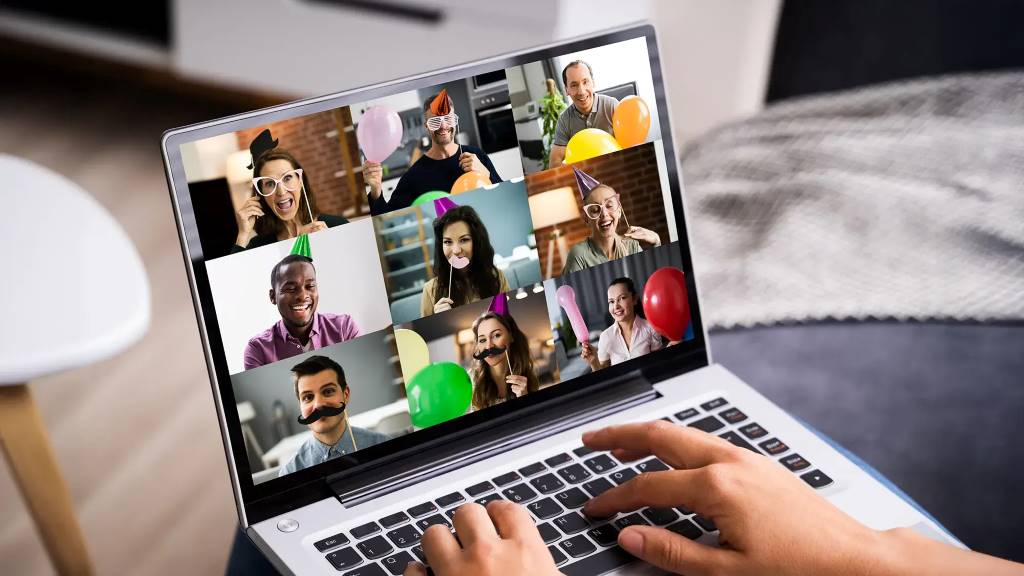
Schedule virtual team builders or companywide events. A pub quiz via Zoom fosters team dynamics. However, avoid Zoom fatigue by limiting meeting frequency. Technology supports a remote-first mindset effectively.
Train team leads in meeting facilitation. This ensures everyone’s voice is heard. Digital workspaces reduce proximity bias by keeping remote workers visible. Invest in these tools to enhance employee engagement.
Fostering a Hybrid Culture of Inclusion
A strong hybrid culture values all employees equally. Encourage leadership buy-in to promote fairness. Organize virtual events to strengthen corporate culture. For instance, mentorship programs connect remote workers with leaders. This builds psychological safety and trust.
HR leaders should prioritize diversity and inclusion. Regular check-ins with remote employees show empathy. A 2022 Future Forum study revealed 67% of remote workers want more inclusion efforts. This drives employee morale.
Celebrate contributions from all team members. Use social media posts to highlight remote successes. A hybrid workplace thrives when everyone feels valued. This approach prevents proximity bias effectively.
Training Leaders to Avoid Bias
Leadership accountability is critical in hybrid work models. Train managers to recognize proximity bias. Offer workshops on objective performance tracking. This ensures fair treatment for remote and in-office peers. Leaders set the tone for team dynamics.
Encourage asynchronous communication to support flexible schedules. Provide mentorship opportunities for remote employees. HR departments can use data from occupancy sensors to balance office days. This promotes equity in hybrid workplaces.
Regular feedback sessions help leaders stay connected. They learn to value contributions, not physical presence. Training fosters a remote-first strategy. It also strengthens trust across the organization.
Conclusion
Preventing proximity bias in hybrid work models requires deliberate action. Use objective metrics, leverage technology, and foster inclusion. Train leaders to prioritize fairness and empathy. These steps ensure remote workers feel valued. A strong hybrid culture boosts morale and retention. Organizations thrive when everyone has equal opportunities. Share your thoughts or experiences in the comments. Let’s build equitable workplaces together.
FAQs
What is proximity bias in hybrid work?
Proximity bias favors in-office employees over remote workers. It impacts promotions and recognition.
How can technology reduce proximity bias?
Tools like Microsoft 365 and virtual meetings ensure remote workers stay visible and engaged.
Why is leadership training important?
Training helps leaders avoid bias. It promotes fair evaluations and supports remote employees.
How do metrics prevent unfair treatment?
Objective performance metrics measure output. They reduce reliance on physical presence for evaluations.
What role does culture play?
A strong hybrid culture values all workers. It fosters inclusion and boosts employee morale.
References
- Society for Human Resource Management: https://www.shrm.org/topics-tools/news/hybrid-workplace-challenges
- Future Forum Pulse Report 2022: https://futureforum.com/research/pulse-report-2022/