
Ever dreamed of launching your own product but felt stuck because you can’t code? I did too, until I discovered building a minimum viable product (MVP) with no-code tools. These platforms let anyone turn ideas into reality without writing a single line of code. Whether you’re a startup founder or a curious entrepreneur, no-code tools simplify the process, saving time and money. In this post, I’ll share my journey of creating an MVP using no-code platforms, offering practical steps and insights. According to Statista, 65% of app development will use low-code or no-code tools by 2025, proving their rise. Let’s dive into how you can build your MVP with no-code tools and launch your dream project.
What Is an MVP and Why Use No-Code Tools?
An MVP is a basic version of your product with just enough features to test your idea. It helps validate your concept with real users before investing heavily. Building an MVP with no-code tools is ideal because they’re user-friendly, fast, and affordable. Unlike traditional coding, which can take months, no-code platforms let you create apps or websites in days.
For example, I wanted to test a marketplace idea but had no coding skills. Using no-code tools, I built a functional prototype in a week. According to Gartner, 70% of new business apps will use low-code or no-code platforms by 2025. These tools, like Bubble or Webflow, empower non-technical founders. They offer drag-and-drop interfaces, templates, and integrations, making development accessible. Transitioning to no-code saves resources while speeding up your launch.
Choosing the Right No-Code Platform
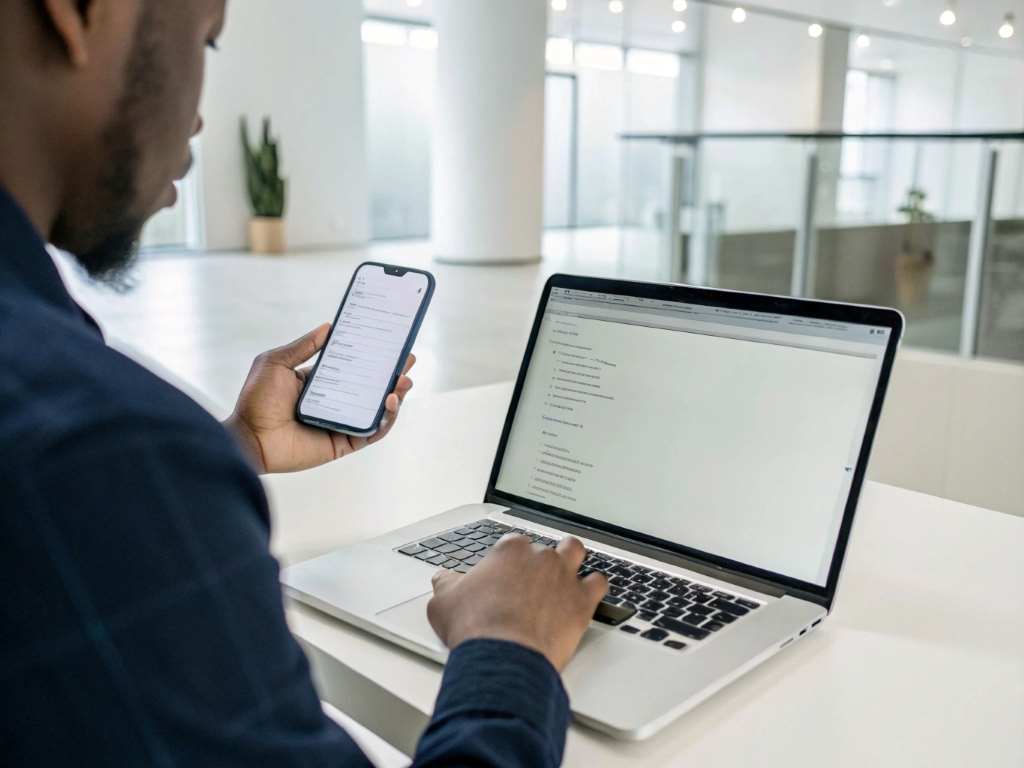
Selecting the right platform is crucial when building an MVP with no-code tools. Options like Bubble, Adalo, and Glide cater to different needs. Bubble is great for complex apps, Adalo focuses on mobile apps, and Glide excels for simple prototypes. Consider your project’s goals, like whether you need a website, app, or both.
When I built my MVP, I chose Bubble for its flexibility. It let me create a dynamic marketplace with user logins and payment integrations. Research your platform’s scalability and integrations. For instance, a 2023 study by Forrester found that 84% of businesses using no-code tools saw faster deployment. Compare features, pricing, and ease of use. Test a few platforms with free trials to find the best fit. This step ensures your MVP aligns with your vision.
Planning Your MVP: Keep It Simple
Planning is the foundation of building an MVP with no-code tools. Start by defining your core problem and the simplest solution. Focus on one or two key features that solve this problem. Avoid feature creep, which can delay your launch. Create a user flow to map how customers will interact with your product.
For my marketplace MVP, I focused on user sign-ups and product listings. I sketched a basic wireframe to visualize the layout. This kept my project manageable. Break your plan into small tasks, like designing pages or setting up forms. Use tools like Figma for wireframes or Notion for task lists. Clear planning saves time and ensures your no-code MVP stays focused and effective.
Building Your MVP: Step-by-Step Process
Once you’ve planned, it’s time to build your MVP with no-code tools. Most platforms offer drag-and-drop editors, so you can design pages visually. Start with your core features, like a homepage or user dashboard. Add elements like buttons, forms, or images using the platform’s interface. Connect these to workflows, such as saving user data or sending emails.
In my case, Bubble’s editor let me drag elements to create a sign-up page. I linked it to a database for user info. Test each feature as you build to catch errors early. Many platforms have tutorials or communities for support. For example, Bubble’s forum helped me troubleshoot a payment issue. Keep iterating based on feedback to refine your MVP.
Testing and Launching Your MVP
Testing is critical when building an MVP with no-code tools. Share your prototype with a small group of users to gather feedback. Check for bugs, usability issues, and feature gaps. Tools like Adalo let you preview apps on mobile devices for real-world testing. Make adjustments based on user input to improve functionality.
When I launched my MVP, I invited 20 friends to test it. Their feedback helped me fix a confusing checkout process. Once polished, publish your MVP using the platform’s hosting or export features. Promote it through social media or email lists. Monitor analytics to track user behavior. This data guides future improvements, ensuring your MVP evolves with demand.
Scaling Your MVP: What’s Next?
After launching, scaling your MVP is the next step. No-code tools often support growth through integrations like Zapier or Stripe. Add new features based on user feedback, but stay lean. If your MVP gains traction, consider whether to stick with no-code or transition to custom code for advanced functionality.
My marketplace MVP grew to 100 users in a month. I added payment gateways using Stripe, which Bubble supported seamlessly. However, if you need complex features, consult a developer. A 2024 IDC report states 60% of no-code projects scale successfully with proper planning. Explore your platform’s limits and upgrade plans as needed. Scaling smartly ensures your MVP meets growing user needs.
Common Challenges and How to Overcome Them
Building an MVP with no-code tools isn’t without hurdles. Common issues include limited customization, platform restrictions, or learning curves. For instance, some platforms may not support unique designs or complex logic. Research limitations before starting to avoid surprises.
I faced a challenge with Bubble’s database setup, which felt overwhelming at first. Joining online communities and watching tutorials helped me overcome it. Additionally, test scalability early, as some platforms struggle with high user volumes. Use forums, like those on Reddit or platform-specific groups, for solutions. Persistence and resourcefulness turn challenges into learning opportunities, ensuring your MVP succeeds.
Why No-Code Is the Future of MVP Development
No-code development is transforming how we build products. It empowers non-technical founders to launch ideas quickly and affordably. Platforms are evolving, offering more features and integrations. This democratization of tech opens doors for diverse innovators. According to Statista, the no-code market will reach $45 billion by 2025.
My journey with no-code tools showed me anyone can build an MVP with dedication. These platforms lower barriers, letting you focus on creativity, not code. As technology advances, no-code will only grow, making it easier to test and launch ideas. Embrace this trend to turn your vision into reality without delays.
Conclusion
Building an MVP with no-code tools is a game-changer for aspiring entrepreneurs. From planning to launch, these platforms simplify the process, letting you test ideas fast. My experience crafting a marketplace MVP proved no-code’s power to bring visions to life. With tools like Bubble or Adalo, anyone can create a functional product without coding. The growing no-code market, projected to hit $45 billion by 2025, shows its potential. Start small, test often, and scale smartly. Ready to build your MVP? Share your thoughts or questions in the comments below or spread the word by sharing this post!
FAQs
What are no-code tools for building an MVP?
No-code tools are platforms like Bubble, Adalo, or Glide that let you create apps or websites without coding, using drag-and-drop interfaces.
How long does it take to build an MVP with no-code tools?
It depends, but most MVPs take days to weeks. Simple prototypes can be built in a weekend with platforms like Glide.
Are no-code MVPs scalable for large audiences?
Yes, many platforms support scaling with integrations. However, complex projects may need custom code for high user volumes.
What’s the cost of building an MVP with no-code tools?
Costs vary, but many platforms offer free tiers. Paid plans, like Bubble’s, start at $25–$100 monthly, depending on features.
Can I integrate payment systems into a no-code MVP?
Absolutely, platforms like Bubble and Adalo support integrations with Stripe or PayPal for seamless payment processing.
Have you tried building an MVP with no-code tools? Share your experience or ask questions in the comments! Don’t forget to share this post with others.