
How to Secure Early Press Coverage for Your Startup: Proven Strategies That Work
Starting a business is thrilling, but getting noticed is tough. Early press coverage can skyrocket your startup’s visibility, attract investors, and build trust. However, breaking through the noise requires smart strategies for getting early press coverage. As a founder, I remember pitching my first startup to local journalists, hoping for a feature. The rejections stung, but they taught me what works. This blog shares practical, storytelling-driven strategies to help your startup shine in the media. Whether you’re launching a tech app or a small bakery, these tips will guide you. Let’s dive into how you can secure early press coverage and make your startup stand out.
Why Early Press Coverage Matters for Startups
Early press coverage builds credibility and amplifies your brand. When journalists write about your startup, it signals trust to potential customers and investors. According to a 2023 Edelman Trust Barometer, 63% of consumers trust media coverage over advertisements. This trust can drive sales and partnerships. Additionally, coverage increases your online presence, boosting SEO and website traffic.
My first startup struggled to gain traction until a local newspaper featured us. That article led to a 40% spike in website visits and our first investor meeting. However, chasing press without a plan wastes time. You need strategies for getting early press coverage that align with your goals. Focus on building relationships and crafting compelling stories to stand out.
Craft a Compelling Story That Resonates

Journalists love stories, not sales pitches. Your startup’s story should highlight its mission, impact, and uniqueness. Start by answering: Why does your startup exist? What problem does it solve? For example, if your app helps small businesses save time, share a customer’s success story. Make it personal and relatable to grab attention.
When I pitched my startup, I shared how our product helped a single mom manage her side hustle. That angle hooked a journalist, leading to a feature. Moreover, research from Harvard Business Review (2024) shows stories increase audience engagement by 20%. Therefore, avoid jargon and focus on human elements. Tailor your story to each outlet’s audience for better results. A compelling narrative is key to strategies for getting early press coverage.
Build Relationships with Journalists Early
Networking with journalists before you need coverage is crucial. Follow reporters on platforms like X who cover your industry. Engage with their posts by commenting thoughtfully. This builds familiarity, making them more likely to open your pitch. Additionally, attend industry events or webinars to meet journalists in person.
I once connected with a tech reporter at a startup conference. Months later, she remembered me and covered my launch. According to a 2024 PR Week study, 78% of journalists prefer pitches from familiar sources. Therefore, start small with local media or niche blogs. Send personalized emails, not generic blasts. Building trust early is one of the best strategies for getting early press coverage.
Perfect Your Pitch for Maximum Impact
A great pitch is concise, targeted, and value-driven. Start with a catchy subject line, like “Local Startup Solves X Problem.” In the body, introduce your startup in one sentence, explain why it matters, and include a clear call to action. For example, offer an exclusive interview or demo. Keep emails under 200 words to respect journalists’ time.
I learned this the hard way after sending long, vague pitches that got ignored. Tailoring each pitch to the journalist’s beat increased my success rate. Moreover, avoid attachments; link to a press kit instead. Tools like Cision can help find relevant journalists. Perfecting your pitch is a cornerstone of strategies for getting early press coverage.
Tips for a Winning Pitch
- Personalize: Address journalists by name and reference their work.
- Be concise: Stick to 150–200 words.
- Offer value: Provide exclusive data or a unique angle.
- Follow up: Wait 3–5 days, then send a polite nudge.
Leverage Local Media for Early Wins
Local media is often more accessible than national outlets. Newspapers, radio, and community blogs love covering hometown startups. Start by researching local outlets and their audiences. Pitch a story that ties your startup to the community, like job creation or local impact. This approach builds momentum for bigger coverage.
My startup got its first break in a small-town paper, which led to regional TV coverage. Local wins create a ripple effect. Furthermore, a 2023 Pew Research study found 71% of Americans follow local news closely. Therefore, don’t overlook small outlets. Invite local reporters to your launch event or offer a tour. These early wins are vital strategies for getting early press coverage.
Use Social Media to Amplify Your Story
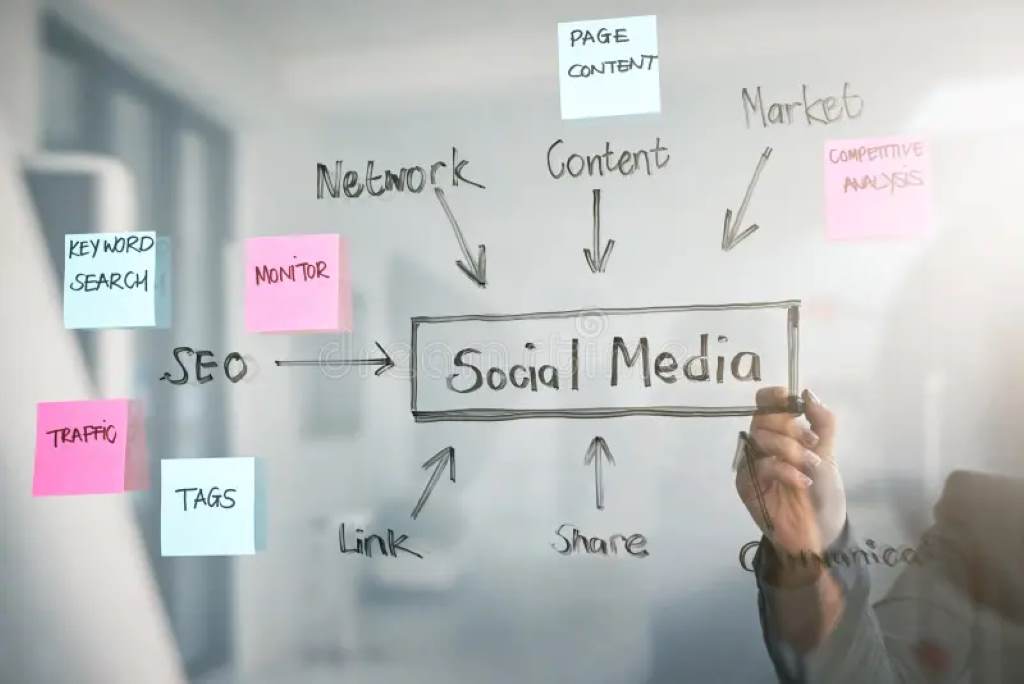
Social media, especially X, can attract journalists’ attention. Share updates about your startup’s milestones, like funding or product launches. Use hashtags like #StartupNews or #TechInnovation to increase visibility. Engaging posts can catch a reporter’s eye, leading to coverage.
I once tweeted about our startup’s beta launch, and a tech blogger DM’d me for an interview. Additionally, create shareable content like infographics or short videos. This amplifies your reach and makes your story press-ready. However, avoid spamming. Focus on quality posts that spark interest. Social media is a powerful tool in strategies for getting early press coverage.
Time Your Press Efforts Strategically
Timing is everything in PR. Launching during a major news cycle, like an election, can bury your story. Instead, pitch during quieter periods or tie your story to trending topics. For example, if your startup is eco-friendly, pitch during Earth Month. Research industry calendars to find the best windows.
I once pitched during a holiday season and got no responses. Lesson learned: timing matters. Moreover, journalists plan stories weeks in advance, so pitch early. Follow up politely if you don’t hear back. Strategic timing ensures your pitch stands out, making it a key part of strategies for getting early press coverage.
Conclusion
Securing early press coverage can transform your startup’s trajectory. By crafting a compelling story, building journalist relationships, and perfecting your pitch, you’ll boost your chances of getting noticed. Leveraging local media, social platforms, and strategic timing further amplifies your efforts. My startup’s first feature taught me that persistence and authenticity pay off. These strategies for getting early press coverage are your roadmap to success. Start small, stay consistent, and watch your startup shine. Have you tried pitching to the press? Share your experiences in the comments or spread the word by sharing this post!
FAQs
Why is early press coverage important for startups?
It builds credibility, attracts customers, and boosts SEO, helping startups gain visibility fast.
How can I find journalists to pitch my startup to?
Follow industry reporters on X, attend events, or use tools like Cision to identify contacts.
What makes a pitch stand out to journalists?
A concise, personalized pitch with a unique story and clear value grabs journalists’ attention.
Should I focus on local or national media first?
Start with local media for easier wins, then use that momentum to target national outlets.
How can social media help with press coverage?
Posting milestones on X with relevant hashtags can attract journalists and amplify your story.