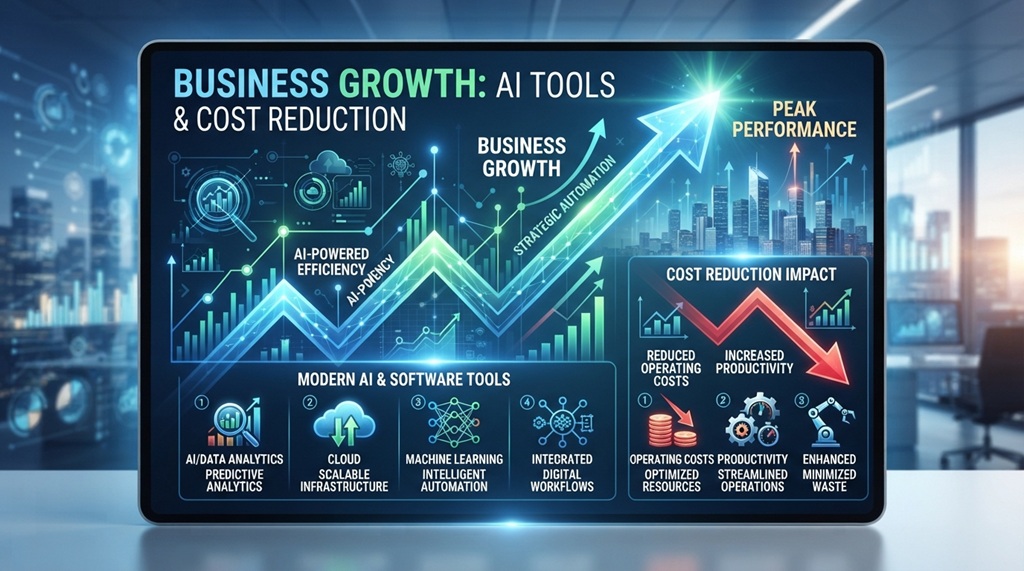
Cutting overhead with smart tools works because automation removes manual work, human error, and wasted hours from your daily operations. Smart tools replace repetitive tasks with systems that run in the background. This frees your team to focus on work that actually grows the business.
Overhead costs quietly drain profit. Rent, software subscriptions, admin salaries, and manual processes add up fast. Most business owners don’t realize how much they lose until they audit their spending. Smart tools give you a clear, measurable way to fix that.
This guide breaks down exactly how smart tools cut overhead, which categories offer the biggest savings, and how to avoid common mistakes when adopting new technology.
What Counts as Overhead in a Modern Business
Overhead includes every cost that keeps your business running but doesn’t directly produce revenue. Rent, utilities, insurance, software, and administrative staff all fall into this category. These costs exist whether you make one sale or a thousand.
Fixed vs. Variable Overhead
Fixed overhead stays the same each month. Office rent and insurance premiums are good examples. Variable overhead changes based on activity, like overtime pay or transaction fees.
Smart tools mainly target variable overhead first. They reduce the hours staff spend on manual tasks, which lowers labor costs tied to volume. Over time, many businesses also cut fixed overhead by needing less office space or fewer full-time staff.
Hidden Overhead Most Businesses Miss
Many companies underestimate overhead because some costs hide in plain sight. Duplicate software subscriptions, manual data entry errors, and slow approval processes all cost money without showing up as a clean line item.
Automation software often surfaces these hidden costs during setup. A simple tool audit can reveal three or four subscriptions doing the same job.
How Smart Tools Actually Reduce Costs
Smart tools cut costs by automating tasks, reducing errors, and speeding up decisions. Each of these areas has a direct dollar value attached to it, even if it doesn’t feel that way day to day.
Automation Replaces Manual Labor
Manual tasks like invoicing, scheduling, and data entry take real time. According to industry experts, businesses that automate routine admin work can redirect that staff time toward higher-value tasks like sales or customer service.
A tool that automates invoice generation, for example, removes the need for someone to build invoices by hand every week. That time adds up over a year.
Fewer Errors Mean Fewer Costly Fixes
Human error in finance and operations creates rework. A single misentered number in a spreadsheet can trigger hours of correction later. Smart tools with built-in validation catch these mistakes before they become expensive problems.
Faster Decisions Save Money Too
Delayed decisions cost businesses money in missed opportunities. Dashboards and reporting tools give leadership real-time data instead of waiting for a monthly report. Faster access to accurate numbers means faster, better decisions.
Categories of Smart Tools That Cut the Most Overhead
Not every tool delivers the same return. Some categories consistently produce bigger savings than others, based on how many manual hours they eliminate.
Accounting and Finance Automation
Accounting software automates invoicing, expense tracking, and payroll. This category often delivers the fastest visible savings because finance tasks are repetitive and time-consuming by nature.
Tools like automated bookkeeping platforms reduce the need for extra administrative staff and cut down on late payment penalties by sending reminders automatically.
Project and Task Management Platforms
Project management tools reduce overhead by cutting down on meetings and status update emails. When everyone can see task progress in one place, managers spend less time chasing updates.
This also reduces overhead tied to miscommunication, like duplicated work or missed deadlines that require costly fixes.
Communication and Collaboration Tools
Centralized communication platforms reduce time wasted searching through email threads. Teams that use a single messaging hub cut down on the hours spent tracking down information scattered across inboxes.
Customer Relationship Management (CRM) Systems
A CRM automates follow-ups, tracks customer history, and reduces the manual work sales teams do to manage leads. This lowers overhead in the sales department while often increasing revenue at the same time.
Strategic Overhead Reduction: Real-World Business Outcomes
Concrete results demonstrate the value of intelligent automation far more effectively than theoretical models. When organizations transition from manual operational processes to automated workflows, the impact on the bottom line is immediate eliminating administrative bottlenecks, minimizing human error, and freeing high-value talent to focus on core strategic growth. If you are positioned to accelerate your organization’s growth trajectory, are you ready to scale operations now?.
Example: Automated Invoicing
A small business that switches from manual invoicing to automated billing software can cut the time spent on invoicing by more than half. That saved time translates directly into lower administrative costs or freed-up hours for revenue-generating work.
Example: Scheduling Software
Businesses that rely on staff scheduling by hand often overstaff or understaff shifts. Scheduling software matches labor to actual demand, which reduces unnecessary payroll spend without cutting service quality.
Example: Expense Management Tools
Manual expense reports create delays and errors. Expense tracking apps let employees submit receipts instantly, and managers approve them with one click. This shortens the reimbursement cycle and reduces the admin hours needed to process claims.
A Smarter Angle: Match Tool Adoption to Team Size, Not Just Budget
Most articles on this topic tell you to “audit your costs” and “pick the right tool.” That advice is true, but it misses a key detail: the right tool depends heavily on your team size, not just your budget.
A five-person business often loses money on enterprise-level software because the features go unused. A fifty-person business, on the other hand, can lose far more by sticking with free or basic tools that force manual workarounds.
Before buying anything, map your team size against the tool’s intended scale. A tool built for large teams usually includes automation depth that a small team won’t need yet. A tool built for small teams may lack the reporting features a growing company requires. Matching scale to need prevents both overspending and outgrowing a tool too fast.
Common Mistakes When Trying to Cut Overhead With Tools

Adopting smart tools doesn’t guarantee savings. Mistakes in the process can cancel out the benefits or even add new costs.
Buying Too Many Tools at Once
Stacking multiple new tools at the same time creates confusion and slows adoption. Staff need time to learn each system. Rolling out one or two tools at a time leads to better long-term use.
Ignoring Integration Between Tools
Tools that don’t connect to each other create new manual work, like copying data between systems. Before buying, check whether a tool integrates with your existing software stack.
Skipping Staff Training
Even the best tool fails to save money if the team doesn’t use it correctly. Budget time for proper onboarding instead of assuming staff will figure it out alone.
Forgetting to Cancel Old Subscriptions
Businesses often keep paying for old software after switching to a new tool. Set a calendar reminder to cancel outdated subscriptions once the new system is fully in place.
How to Start Cutting Overhead With Smart Tools Today
Getting started doesn’t require a full technology overhaul. A focused, step-by-step approach produces faster results and less disruption.
- List your current overhead costs. Break them into categories like admin, software, and labor.
- Identify the most repetitive task in each category. These are your best automation candidates.
- Research one tool per category. Focus on tools built for your team size, as covered above.
- Run a trial period. Most software offers free trials, which let you test real savings before committing.
- Track the results. Compare time and cost before and after adoption to confirm the tool is working.
This process keeps the transition manageable and gives you proof of savings before you scale further.
FAQ
What is the fastest way to cut overhead with smart tools?
Automating accounting and invoicing usually delivers the fastest results. These tasks are repetitive, time-consuming, and easy to hand off to software. Most businesses see reduced admin hours within the first month of use.
Do smart tools work for small businesses with tight budgets?
Yes, many tools offer free or low-cost plans built specifically for small teams. Start with one tool that solves your biggest time-waster, then expand as the budget allows.
How long does it take to see savings from smart tools?
Most businesses notice reduced admin time within a few weeks of consistent use. Full financial savings, reflected in lower payroll or subscription costs, usually show up within one to three months.
Can smart tools replace staff completely?
Smart tools reduce the manual workload but rarely replace staff entirely. They free employees from repetitive tasks so they can focus on higher-value work like sales, strategy, or customer relationships.
What’s the biggest mistake businesses make when adopting these tools?
The most common mistake is buying too many tools at once without checking integration. This creates confusion and extra manual work instead of reducing it. Roll out one tool at a time and confirm it connects with your existing systems.
Conclusion
Cutting overhead with smart tools comes down to replacing manual work with automated systems that save time, reduce errors, and speed up decisions. The biggest wins come from accounting automation, project management platforms, and CRM systems, especially when the tool matches your team’s actual size and needs.
Start small, track your results, and expand only after you’ve confirmed real savings. This approach turns smart tools from an expense into one of the most reliable ways to protect your profit margin.