

Five hours into a ride, the things that bothered you at mile ten—a seam in your shorts, a slight numbness in your hands, a nagging ache between your shoulder blades—have a way of becoming the only things you can think about. Long-distance comfort rarely comes down to one big upgrade. It comes from a series of small, deliberate adjustments to how your bike fits, how you sit on it, and how often you change position. If you are still dialing in your setup and want to learn more about how hand protection fits into the bigger picture, the principles below apply whether you ride for two hours or two hundred.
Quick Answer
Improve long-ride comfort and control by prioritizing three things: a bike fit that distributes your weight across the saddle, hands, and pedals instead of concentrating it in one spot; contact points (saddle, shorts, gloves, shoes) that match your riding position; and frequent position changes—standing, shifting your grip, and varying cadence—before pain starts rather than after. Mechanical changes like wider tires or a more upright stem help, but movement and fit matter more.
Key Takeaways
- Comfort problems on long rides usually come from weight distribution, not from being “weak” or “not made for cycling.”
- Your three contact points—hands, seat, and feet—account for nearly all discomfort, so address them in that order after checking fit.
- Changing position every few minutes prevents the numbness and hot spots that build up over hours.
- Control improves when your cockpit setup lets you reach the brakes and shifters without stretching or gripping hard.
- Small, free adjustments (saddle tilt, lever angle, tire pressure) often help more than expensive parts.
Start With Fit, Not Gear
Before buying anything, confirm that your bike actually fits you. A surprising amount of hand numbness, saddle pain, and neck strain traces back to a frame size, saddle height, or reach that is wrong for your body. A saddle set too high forces you to rock your hips, which chafes and wastes energy. A saddle set too low overloads your knees. Too much reach sends weight into your hands and wrists.
You do not need a professional fit to get most of the benefit. Start with these adjustments:
- Saddle height: With your heel on the pedal at the bottom of the stroke, your leg should be almost straight but not locked. If your hips rock, lower the saddle slightly.
- Saddle fore/aft: With cranks level, your knee should sit roughly over the pedal axle. This is a starting point, not an absolute rule.
- Reach and drop: If you cannot comfortably rest your hands on the hoods with a slight bend in your elbows, your reach is too long. A shorter stem is one of the cheapest, most effective fixes.
- Saddle tilt: A saddle that tilts nose-up pushes pressure into soft tissue; a nose-down tilt slides you forward onto your hands. Aim for level, then adjust one or two degrees at a time.
Make one change at a time and ride at least a few miles before judging it. Changing three things at once makes it impossible to know what helped.
Your Three Contact Points and What Actually Matters
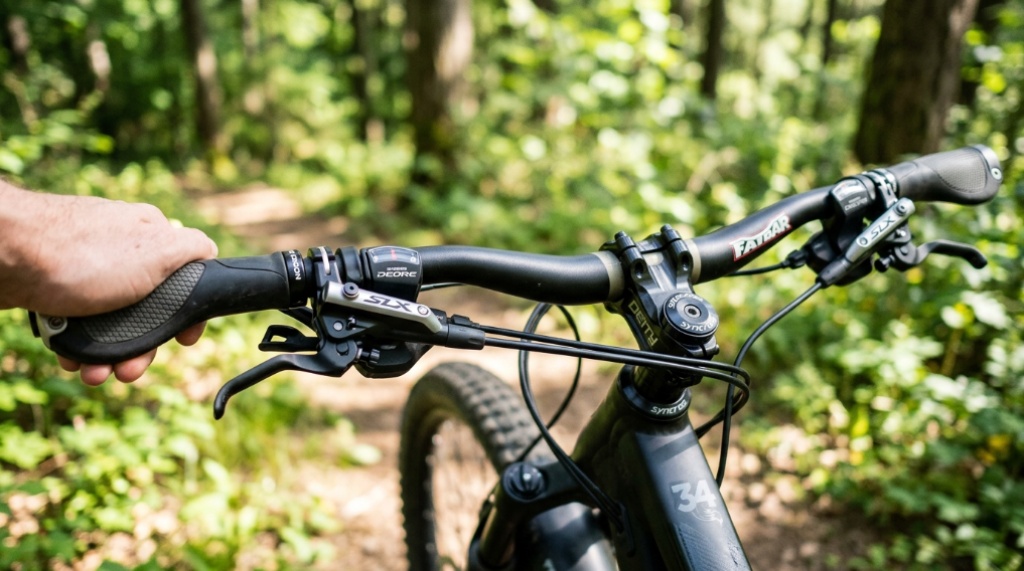
Hands, seat, and feet are where your body meets the bike, and each one has its own failure mode on long rides.
Hands and Wrists
Numbness and tingling in the hands come from sustained pressure on the nerves and blood vessels in the palm. Gloves with padding in the right places reduce vibration and spread pressure, and they also improve grip when your hands get sweaty—which matters for control on descents and in traffic. Padding placement is more important than thickness: too much padding can bunch up and create new pressure points.
Beyond gloves, the biggest fixes are:
- Move your hands between the hoods, the tops, and the drops every few minutes.
- Keep a light grip. Death-gripping the bars transmits every bump straight into your palms.
- Bend your elbows slightly so your arms act as shock absorbers.
- Check that your brake levers are positioned so your wrists stay neutral, not bent upward.
The Saddle and Sit Bones
Saddle discomfort is often a width problem. Your sit bones need to rest on the wider rear portion of the saddle; if the saddle is too narrow, pressure shifts into soft tissue, and if it is too wide, you get chafing on the inner thighs. Saddle shape matters as much as padding—a flat profile suits riders who move around a lot, while a curved profile can help riders who sit in one spot.
Chamois shorts or bibs are not optional for long rides. The pad reduces friction and wicks moisture, and seams placed away from pressure areas prevent the chafing that turns a good ride into a miserable one. Skip underwear under cycling shorts; the extra fabric is a common cause of saddle sores, As you prepare for your next endurance ride or shop for cycling gear ahead of the season, you might also find great inspiration in these Meaningful Gifts for Men Who Have Everything.
Feet and Pedals
Hot spots and numb toes usually come from shoes that are too tight, cleats positioned poorly, or a stiff sole that concentrates pressure. Give your feet room to swell—feet expand during long rides, so a slightly looser fit early on pays off later. Cleat position should put the ball of your foot over the pedal axle, and small fore/aft changes can relieve knee and foot discomfort.
Position Changes: The Free Comfort Upgrade
No setup, however perfect, stays comfortable if you hold it for hours without moving. Static pressure is what causes most numbness. The fix is simple: change position regularly, before you feel discomfort.
- Stand and pedal for 20–30 seconds every 10–15 minutes to restore circulation and stretch your back.
- Shift your hands between grip positions every few minutes.
- Vary your cadence—spinning faster for a while then pushing a bigger gear changes which muscles and joints take the load.
- Shrug your shoulders and relax your neck deliberately; tension creeps in without you noticing.
This habit costs nothing and often delivers more relief than any component swap.
Bike Setup Tweaks That Reduce Fatigue
Some changes are worth making once you have fit and position dialed in:
- Tire pressure: Many riders run pressures higher than needed. Lower pressure (within the tire’s safe range) absorbs road buzz and reduces whole-body fatigue, with only a small speed penalty on rough surfaces.
- Tire width: Wider tires at lower pressure often roll just as fast on real roads while being far more comfortable.
- Bar tape and grips: Thicker or gel-backed tape dampens vibration; ergonomic grips with a palm platform help flat-bar riders.
- Stem angle: A slightly higher or shorter stem reduces weight on the hands if you are not racing.
None of these require a new bike. Each targets a specific discomfort rather than a vague “make it comfier” goal.
Control: Why Comfort and Handling Are Linked
Comfort and control are not separate goals. When you are uncomfortable, you fidget, grip harder, and lose focus—all of which degrade your bike handling. Conversely, a stable, well-fitted position lets you relax your upper body and steer with small inputs.
To improve control specifically:
- Keep your weight balanced between the wheels; too far forward makes the rear wheel skip on bumps and descents.
- Stay relaxed in the shoulders and elbows so the bike moves under you instead of fighting you.
- Look further ahead. Scanning the road 20–30 feet ahead lets you anticipate obstacles instead of reacting late.
- Brake with two fingers from the hoods or drops, whichever position you can reach confidently.
Common Mistakes That Undermine Long-Ride Comfort
- Buying a new saddle first. Fit problems often masquerade as saddle problems.
- Ignoring small aches until they become injuries. Address hot spots early.
- Riding the same position for hours. Movement prevents most numbness.
- Over-tightening shoes or grips. Tighter is not more secure over long distances.
- Neglecting nutrition and hydration. Fatigue amplifies every discomfort and reduces your control.
Frequently Asked Questions
How often should I change hand position on a long ride?
Every few minutes, and always before you feel numbness. Standing briefly every 10–15 minutes also restores circulation to your hands and back.
Do padded gloves really help with hand numbness?
They can help by reducing vibration and spreading pressure, but they work best alongside correct reach, a light grip, and regular position changes. Padding placement matters more than thickness.
What is the most common cause of saddle pain?
Usually saddle width or shape that does not match your sit bones, combined with a fit issue such as excessive reach or a saddle set too high. Chafing is often worsened by seams or extra fabric under cycling shorts.
Should I raise my handlebars for more comfort?
If your hands go numb or your lower back aches, a higher or shorter cockpit can help by reducing weight on your hands. It slightly increases wind resistance, which matters for racing but rarely for general riding.
How do I know if my saddle height is wrong?
Signs include rocking hips, knee pain at the front or back of the knee, and needing to slide forward to reach the pedals. Start with the heel-on-pedal method and adjust in small increments.
Conclusion
Long-ride comfort and control come down to fit, contact points, and movement. Fix your position on the bike first, then address hands, seat, and feet, and build the habit of changing position before discomfort sets in. Start with the free adjustments—saddle height and tilt, lever angle, grip pressure, standing breaks—before spending money on parts. Small, deliberate changes made one at a time will do more for your fifth hour than any single upgrade.