
When it comes to transporting freight across long distances, understanding the logistics of trailer capacity is essential. Among the various trailer sizes available in the trucking industry, the 53-foot trailer stands out as one of the most commonly used. Whether you’re a seasoned logistics manager, a new trucking company owner, or just curious about transport regulations, it’s crucial to know the max weight for a 53 ft trailer and how it impacts your shipping operations.
This article covers all the essentials about 53 ft trailer weight limits, legal restrictions, safety considerations, and answers to frequently asked questions. By the end of this guide, you’ll be fully equipped to make informed decisions regarding freight weight and trailer capacity.
Why Trailer Weight Matters
The weight capacity of a trailer isn’t just about how much you can load — it’s a matter of safety, efficiency, and legality. Exceeding weight limits can lead to hefty fines, damaged goods, increased wear on the truck, and even accidents. Therefore, understanding and adhering to the proper weight guidelines for your trailer is a top priority.
A 53 ft trailer provides a great balance between cargo space and legal weight allowance. It’s widely used in freight shipping because of its versatility and capacity. However, there are strict limits you must follow to remain compliant with U.S. Department of Transportation (DOT) regulations.
Legal Weight Limits for a 53 Ft Trailer
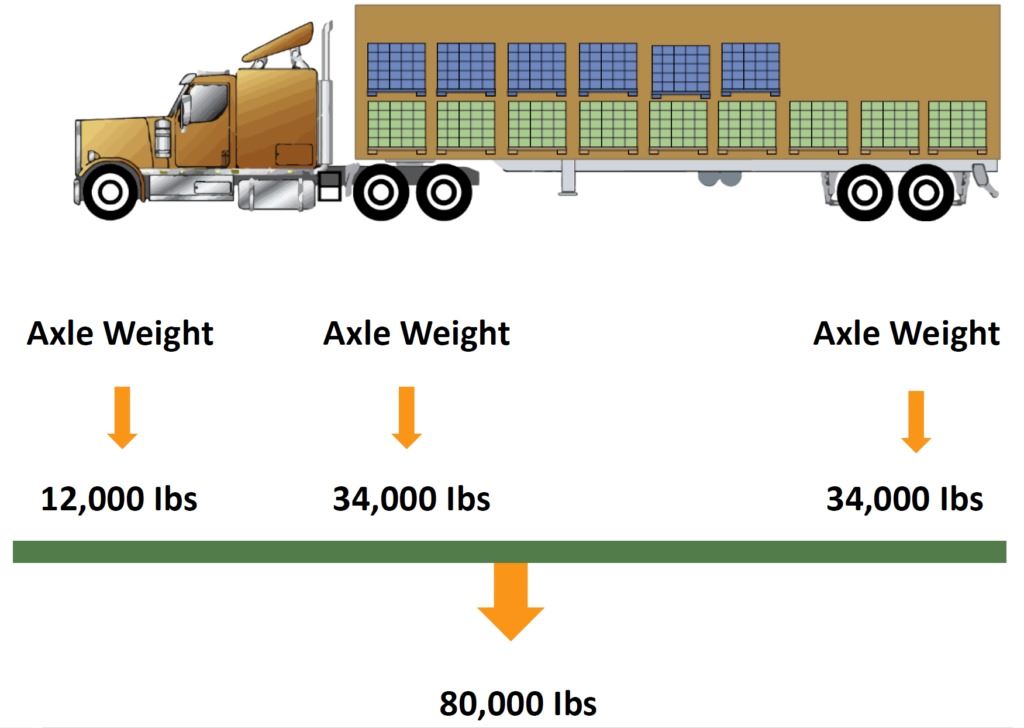
In the United States, federal and state laws dictate the maximum gross vehicle weight (GVW) allowed on highways. The max weight for 53 ft trailer is typically 80,000 pounds GVWR (Gross Vehicle Weight Rating), which includes:
- The weight of the tractor
- The weight of the trailer
- The weight of the cargo
This 80,000-pound limit applies when the load is properly distributed across five axles. The distribution usually includes:
- 12,000 pounds on the steer axle
- 34,000 pounds on the drive axles
- 34,000 pounds on the trailer tandem axles
You can read more in-depth information about the max weight for 53 ft trailer on our detailed guide.

Factors Affecting Maximum Weight Capacity
While the federal maximum is 80,000 pounds, the actual usable cargo weight depends on several factors:
-
Tractor Weight
Different tractors have varying curb weights, depending on their model and configuration. A heavier tractor reduces the available weight for cargo.
-
Trailer Weight
The empty weight of a 53 ft trailer can range from 10,000 to 15,000 pounds depending on its build and materials. The heavier the trailer, the less room you have for freight within the 80,000-pound limit.
-
Cargo Distribution
Properly distributing the weight across the axles is crucial for legal compliance and safety. Poor distribution can lead to axle overloads, even if the total weight is under 80,000 pounds.
-
Roadway and State Regulations
Some states have different bridge formulas and weight allowances. For example, certain states may offer permits for higher weights, while others enforce stricter limits on particular roads.
Overweight Permits and Special Conditions
If your cargo exceeds the standard weight limit, you might need an overweight permit. These are issued by state DOTs and allow you to haul heavier loads under specific conditions.
Keep in mind:
- Permits are often valid only for a single trip or a limited time.
- Routes may be restricted to avoid certain bridges or roads.
- Additional equipment like warning signs or pilot vehicles may be required.
Therefore, it’s critical to plan your route and ensure that all necessary permits are secured before dispatching an overweight load.
Tips for Staying Within Legal Weight Limits
To avoid violations and ensure efficient transport, follow these best practices:
- Weigh your loaded trailer using certified scales.
- Use load distribution software or axle scales.
- Verify cargo weight and documentation before loading.
- Train your drivers on axle weight distribution and proper loading.
- Regularly inspect and maintain your truck and trailer to avoid overweight surprises due to equipment failures.
Freight Types Suitable for 53 Ft Trailers
The 53 ft trailer is ideal for a wide variety of freight types:
- Palletized goods
- Retail and grocery shipments
- Dry goods and electronics
- Furniture and appliances
- Consumer packaged goods (CPG)
Because of its versatility, this trailer size is a go-to option for most long-haul carriers.
Useful Tools and Resources
Fleet managers and logistics companies often rely on load planning tools and online calculators to determine if a shipment meets the legal weight limits. One helpful resource for professionals in the industry is carrepro.org, a platform that offers logistics tools, compliance tips, and fleet management solutions.
Loading Best Practices
Here are a few quick tips for effective loading:
- Place heavier items near the trailer’s center to keep axle loads balanced.
- Secure cargo with straps and bars to prevent shifting during transit.
- Avoid overloading the rear end to reduce the risk of trailer swing or jackknifing.
- Double-check with a certified weigh station before getting on the highway.
FAQs About 53 Ft Trailer Weight Limits
- What is the legal max weight for a 53 ft trailer?
The legal maximum gross weight is 80,000 pounds, including tractor, trailer, and cargo. This is based on federal regulations for vehicles with five axles. - Can you carry 45,000 pounds of cargo in a 53 ft trailer?
Yes, but only if the combined weight of your tractor and empty trailer allows for it. For example, if your tractor and trailer weigh 35,000 pounds empty, you can legally carry 45,000 pounds of cargo. - What happens if my trailer is overweight?
You may be fined or required to offload part of your shipment. Overweight violations can also lead to delays, additional fuel costs, and increased wear on your vehicle. - Are there different rules for intrastate vs. interstate hauling?
Yes, some states have different intrastate rules. Always check with local DOT agencies to ensure compliance, especially if traveling only within one state. - Do I need special equipment to haul heavy loads?
For loads exceeding the 80,000-pound limit, you’ll need an overweight permit and may require special configurations, such as additional axles or heavy-duty suspensions.
Conclusion
Understanding the max weight for 53 ft trailer is critical for legal compliance, safety, and operational efficiency. While the general limit is 80,000 pounds, the actual cargo you can haul depends on the weight of your tractor and trailer, how the load is distributed, and specific state laws. Knowing your limits and adhering to them not only keeps your drivers safe but also ensures your business avoids costly fines and delays.
Whether you’re new to the logistics industry or managing a large fleet, staying informed about trailer weight regulations will put you ahead of the curve — and on the road to success.