
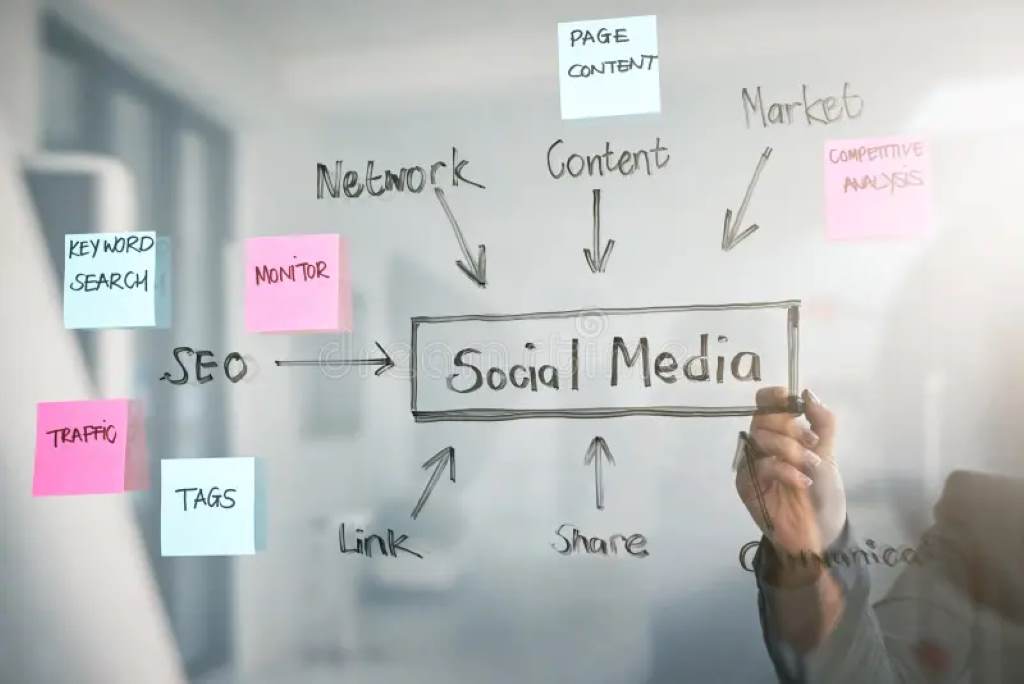
Starting a business is thrilling. The idea of building something from scratch sparks excitement, but without a clear purpose, that spark can fade. Finding your startup’s purpose is like discovering its heartbeat—it drives every decision, fuels passion, and attracts customers. According to a 2021 Harvard Business Review study, purpose-driven companies outperform competitors by 42% in employee engagement and customer loyalty. This article explores how to uncover your startup’s purpose, weaving personal stories, practical steps, and insights to educate, demonstrate, and fascinate. Whether you’re brainstorming startup ideas or refining a business plan, this guide will help you align your venture with a meaningful mission.
Understanding the Importance of Purpose in Startups
Purpose is the “why” behind your startup. It’s not just about profit—it’s about solving a problem or fulfilling a market need. A clear purpose shapes your business model, guides your value proposition, and sets you apart in a crowded market. For example, when I started a small tech startup, we struggled until we defined our purpose: simplifying complex software for small businesses. That clarity transformed our focus and customer appeal.
Purpose also builds trust. Customers gravitate toward brands with authentic missions. It fosters loyalty and drives team building, as employees rally around a shared goal. Without purpose, your startup risks becoming another faceless venture. Take time to reflect on what problem your business solves and why it matters. This foundation influences everything from your business name to your go-to-market plan.
Identifying Market Needs and Opportunities
Every successful startup begins with a market need. Researching what customers want helps you pinpoint a business opportunity. Start by analyzing market size and trends. Tools like Google Trends or industry reports can reveal gaps. For instance, the rise of remote work sparked demand for better online presence tools—a niche many startups filled.
Engage with potential customers through surveys or social media to understand their pain points. Create buyer personas to visualize your audience. When I launched my startup, interviewing small business owners revealed their struggle with complex software. This insight shaped our value proposition. Additionally, consider emerging trends like mental health care or sustainable practices. Aligning your startup ideas with these needs ensures relevance and impact.
Crafting a Compelling Value Proposition
Your value proposition is your promise to customers. It explains why your startup exists and how it solves their problems. A strong value proposition is clear, concise, and customer-focused. For example, Airbnb’s value proposition—“Belong anywhere”—taps into the desire for unique travel experiences, as noted by co-founder Joe Gebbia.
Start by listing your startup’s strengths. Conduct a SWOT analysis to identify what sets you apart. Then, refine your message to address customer needs. Avoid jargon; use simple language. Test your value proposition through email marketing or pitch deck feedback. A compelling value proposition not only attracts customers but also draws venture capital by showcasing your startup’s potential.
Aligning Purpose with Personal and Leadership Goals
Your startup’s purpose should resonate with your life purpose and career aspirations. A misalignment can lead to burnout. Reflect on what drives you. For instance, leadership purpose often stems from wanting to make a difference. When I pivoted my startup, aligning it with my passion for empowering small businesses reignited my motivation.
Discuss your vision with your team. A shared purpose strengthens team building and fosters a cohesive business culture. Ask yourself: Does this startup reflect my values? Does it address a social pressure, like education systems or mental health care? Connecting personal and business goals creates a sustainable foundation for growth.
Exploring Startup Ideas with Purpose in Mind
Great startup ideas stem from purpose. Look at tech startups like those inspired by Paul Buchheit, who created Gmail to simplify communication. Brainstorm ideas that solve real problems. For example, video games can address mental health care by offering stress-relief platforms. Use tools like mind mapping to generate ideas.
Evaluate each idea against your purpose. Does it align with your business structure, like a sole proprietorship or Limited Liability Company? Consider legal requirements and IP rights to protect your idea. Narrow down ideas by assessing market size and feasibility. A purpose-driven idea not only excites you but also resonates with customers and investors.
Building a Business Plan Around Purpose
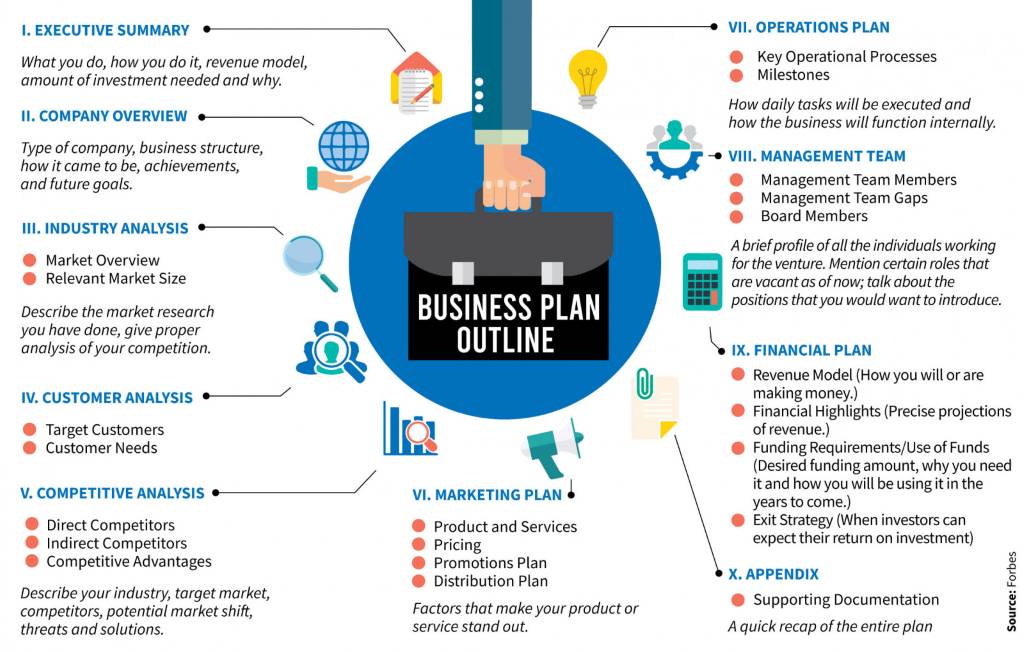
A business plan rooted in purpose is your roadmap. It outlines your business model, financial projections, and go-to-market plan. Start with your mission statement. For example, my startup’s mission was to make technology accessible, which shaped our pricing and customer service strategies.
Include sections on market research, business location, and legal structure. Use financial planning to project costs and revenue. A 2020 SBA report found that businesses with detailed plans are 16% more likely to succeed. Ensure your plan reflects your purpose to guide decisions and attract investment funding.
Overcoming Challenges in Defining Purpose
Finding purpose isn’t always easy. Common challenges include unclear market needs or fear of failure. Social pressures, like chasing trends, can derail focus. When my startup struggled, I used a schlep filter—a term coined by Paul Graham—to prioritize tasks that mattered. This kept us grounded.
Avoid common mistakes:
- Chasing trends without research.
- Ignoring customer feedback.
- Overcomplicating your value proposition.
Test your purpose through small experiments, like social media campaigns or customer service trials. Refine it based on feedback. Persistence and clarity will help you overcome obstacles and solidify your startup’s mission.
Scaling Purpose for Long-Term Success
Once your purpose is defined, scale it. Integrate it into your online presence, from website copy to social media virality strategies. Ensure your team embodies it through consistent customer service. For example, Marc Andreessen emphasizes purpose in scaling tech startups by focusing on user experience.
Plan for growth with an exit strategy, like an Initial Public Offering or acquisition. Revisit your purpose during business growth to stay aligned. Regularly update your business plan to reflect new market needs or investment stages. A purpose-driven startup adapts while staying true to its core mission.
Your Startup’s Purpose as Its North Star
Finding your startup’s purpose is a journey of discovery. It shapes your business ideas, value proposition, and business plan. By aligning with market needs and personal goals, you create a venture that’s both meaningful and sustainable. Purpose drives customer loyalty, team motivation, and long-term success. Take the first step today—reflect, research, and refine your mission. Share your thoughts in the comments or spread this guide to inspire others!
ALT Text Suggestions:
- Entrepreneur brainstorming startup purpose with market research notes.
- Team discussing value proposition for purpose-driven startup.
- Business plan outline highlighting startup purpose and goals.
Best Slug Structure: /how-to-find-your-purpose-for-your-startup
FAQs
What is a startup purpose?
A startup purpose is the core reason your business exists, beyond profit, often solving a specific problem or meeting a market need.
How do I identify my startup’s purpose?
Reflect on your passions, research market needs, and align with customer pain points to craft a meaningful mission.
Why is purpose important for startups?
Purpose drives customer loyalty, team motivation, and business focus, setting your startup apart in competitive markets.
Can purpose evolve over time?
Yes, purpose can evolve as you gain market insights or pivot your business model to address new needs.
How do I test my startup’s purpose?
Test through customer feedback, small-scale campaigns, or a pitch deck to ensure it resonates and drives engagement.
References: