

Imagine a world where your bank account talks to your budgeting app, effortlessly organizing your finances. Open banking makes this possible, transforming how we manage money. By allowing secure data sharing between banks and third-party apps, open banking enhances personal budgeting and financial tools. It offers real-time insights, personalized advice, and seamless integration, helping you take control of your finances. According to a 2023 PwC report, 71% of consumers using open banking tools feel more confident in their financial decisions. My own journey with budgeting apps powered by open banking changed how I saved for a dream vacation. This blog explores how open banking reshapes personal budgeting, making financial tools smarter and more user-friendly. Let’s dive in!
What Is Open Banking?
Open banking is a system where banks share customer data with third-party providers through secure APIs. This allows apps to access your financial information, like transactions or balances, with your consent. It’s like giving your budgeting app a key to your bank’s vault, but only for what you allow. This creates a connected financial ecosystem, improving how you track spending and save.
The concept started in Europe with the PSD2 regulation in 2018, spreading globally since. According to a 2024 Statista study, open banking adoption grew by 54% in the U.S. alone. It empowers consumers by breaking down data silos, letting apps offer tailored insights. For example, I used an open banking app to spot unnecessary subscriptions, saving $50 monthly. Transitioning to smarter tools, open banking fuels innovation in personal finance.
How Open Banking Enhances Budgeting Apps
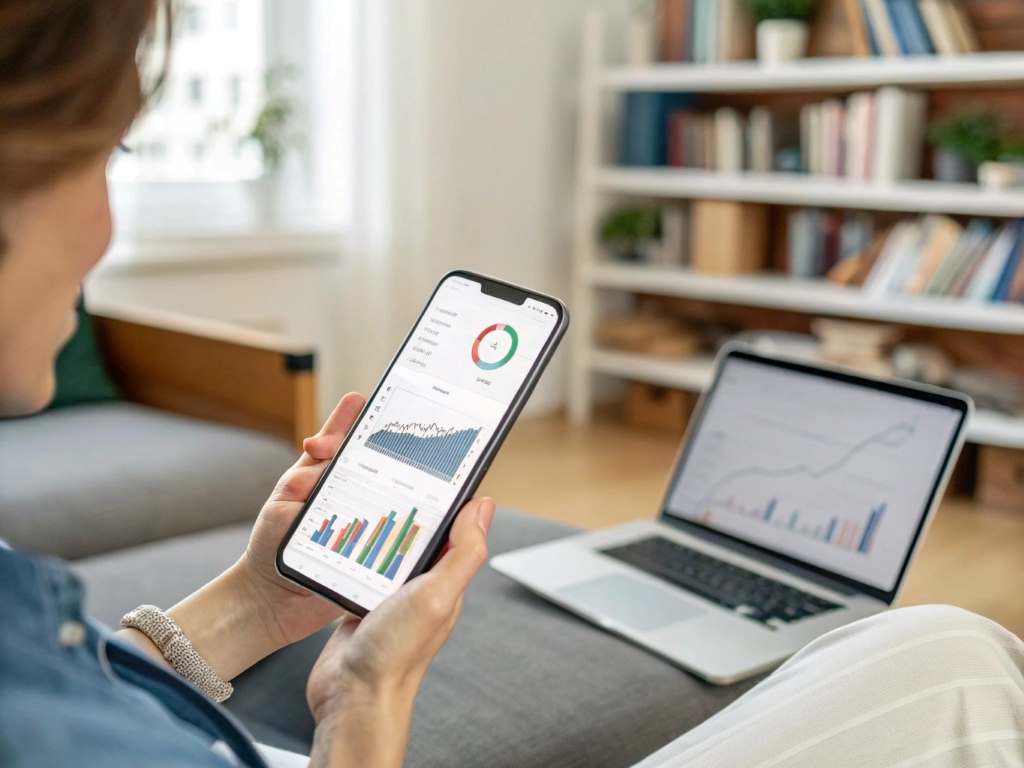
Budgeting apps like YNAB or Mint thrive on open banking. They pull real-time data from your accounts, categorizing expenses instantly. No more manual entry or outdated spreadsheets. This automation saves time and reduces errors, making budgeting feel less like a chore. For instance, my app flagged overspending on coffee, nudging me to cut back.
Moreover, open banking enables apps to offer personalized insights. They analyze your spending patterns and suggest savings goals. A 2023 McKinsey report found that 65% of users trust these apps for tailored advice. Additionally, apps can alert you to upcoming bills, preventing overdrafts. By connecting multiple accounts, open banking creates a holistic view of your finances, empowering better decisions.
Revolutionizing Financial Tools
Open banking doesn’t just improve budgeting apps; it transforms financial tools like savings platforms and investment apps. These tools now integrate data from various accounts, offering a unified dashboard. For example, robo-advisors use open banking to assess your financial health and recommend investments. This seamless integration simplifies complex decisions.
Furthermore, open banking fosters competition, driving innovation. New tools offer features like round-up savings or automated transfers to high-yield accounts. I started using a round-up tool that saved $200 in six months without effort. Transitioning to security, open banking ensures data is shared safely via encrypted APIs. According to the 2024 Open Banking Global Report, 82% of users feel confident in its security measures. These advancements make financial tools more accessible and effective.
Benefits of Open Banking for Personal Budgeting
Open banking offers several benefits for personal budgeting, making money management easier and more effective. Here are some key advantages:
- Real-Time Tracking: See your spending and account balances instantly, avoiding surprises.
- Personalized Insights: Apps analyze your habits, offering tailored savings tips.
- Automated Budgeting: Transactions are categorized automatically, saving time.
- Multi-Account Integration: View all accounts in one place for a complete financial picture.
These benefits empower users to make informed decisions. For example, my app suggested redirecting $100 monthly to savings, helping me build an emergency fund. However, open banking requires trust in data sharing. Regulated providers ensure security, but always check app permissions. By simplifying budgeting, open banking helps you achieve financial goals faster.
Challenges and Considerations
Despite its benefits, open banking has challenges. Data privacy is a top concern. Sharing financial information, even with consent, feels risky to some. Regulatory bodies like the CFPB in the U.S. enforce strict security standards, but breaches remain a worry. Always choose apps with strong encryption and clear privacy policies.
Additionally, not all banks support open banking yet, limiting access for some users. Smaller institutions may lag in API integration, creating gaps in functionality. Transitioning to solutions, users can check their bank’s open banking status or opt for widely compatible apps. My own experience taught me to research apps thoroughly, ensuring they align with my bank’s capabilities. Awareness and caution make open banking a powerful tool.
The Future of Open Banking in Personal Finance
The future of open banking looks promising, with innovations set to redefine personal finance. Experts predict more AI-driven tools, offering hyper-personalized advice. Imagine an app predicting your cash flow needs based on past spending. Additionally, open banking could expand to include non-financial data, like utility bills, for holistic budgeting.
Global adoption is growing. A 2024 Deloitte study estimates open banking will reach 90% penetration in developed markets by 2030. This growth will drive competition, lowering costs for consumers. However, regulatory differences across countries may slow progress. My hope is for seamless global integration, making budgeting effortless worldwide. As open banking evolves, it will continue empowering users with smarter financial tools.
Conclusion
Open banking is revolutionizing personal budgeting and financial tools, offering real-time insights and automation. It simplifies money management, making it accessible and efficient. From budgeting apps to investment platforms, open banking creates a connected financial world. My experience with these tools transformed how I save and spend, proving their value. Despite challenges like privacy concerns, the benefits outweigh the risks with proper precautions. As open banking grows, it promises even smarter solutions for financial freedom. Ready to take control of your finances? Try an open banking app today! Share your thoughts or experiences in the comments below or spread the word by sharing this article. Explore our Marketing & Growth category.
FAQs
What is open banking?
Open banking allows secure data sharing between banks and third-party apps to enhance financial tools.
How does open banking improve budgeting?
It offers real-time tracking, automated categorization, and personalized insights for better money management.
Is open banking safe to use?
Yes, regulated providers use encrypted APIs, but always verify app security and permissions.
Can all banks use open banking?
Not yet; some smaller banks lack API support, so check your bank’s compatibility.
What’s the future of open banking?
Expect AI-driven tools and broader data integration for smarter, holistic financial management.