

Proper cargo securement on flatbed trailers ensures road safety and prevents costly accidents. Understanding weight limits and securement requirements protects drivers, cargo, and other road users. Mari Gold Commerce provides comprehensive transportation solutions that prioritize safety and compliance in all hauling operations.
Understanding Flatbed Weight Capacity
Weight capacity represents a critical factor in flatbed trailer operations. Different trailer configurations support varying maximum loads based on their construction and specifications. However, several factors influence the actual weight a trailer can safely carry.
Understanding how much weight can a 53′ flatbed haul requires knowledge of federal regulations, trailer specifications, and axle configurations. Additionally, gross vehicle weight ratings determine the maximum allowable combined weight of truck and trailer.
Federal Cargo Securement Regulations
The Federal Motor Carrier Safety Administration establishes strict cargo securement standards. These regulations apply to all commercial vehicles operating on public roads. Therefore, compliance remains mandatory for all flatbed operators regardless of cargo type or destination.
Working Load Limits
Working load limits define the maximum force securement devices can safely handle. Each tie-down device must display its working load limit clearly. Moreover, the aggregate working load limit must equal at least half the cargo weight.
Minimum Tie-Down Requirements
Federal regulations require specific minimum numbers of tie-downs based on cargo length and weight. Cargo under 5 feet and 1,100 pounds needs one tie-down. Additionally, longer or heavier cargo requires additional securement points at regular intervals.
Types of Securement Equipment
Various securement devices serve different purposes in cargo restraint systems. Understanding each type’s capabilities and limitations ensures proper selection. Furthermore, combining multiple securement methods often provides superior cargo control.
Chain and Binders
Chains offer exceptional strength for heavy cargo applications. Load binders create the tension necessary for effective securement. However, proper chain grade selection matches the expected load requirements and environmental conditions.
Straps and Winches
Synthetic straps provide flexibility and ease of use for many cargo types. Winches create consistent tension across multiple tie-down points. Additionally, straps resist weather damage better than some traditional materials.
Blocking and Bracing
Direct contact blocking prevents cargo movement through physical barriers. Bracing systems distribute forces across the trailer deck. Therefore, these methods complement tie-down systems for comprehensive securement.
Weight Distribution Principles
Proper weight distribution maintains trailer stability and prevents damage. Uneven loading creates dangerous handling characteristics and excessive wear. Moreover, improper distribution can exceed individual axle weight limits even when total weight remains legal.
Center of Gravity Considerations
Low center of gravity improves stability during transport and loading operations. Heavy items should load near the trailer centerline when possible. Additionally, securing the heaviest components first provides a stable foundation for additional cargo.
Axle Loading Guidelines
Each axle group has specific weight limits that cannot exceed legal maximums. Front axles typically carry less weight than rear axle groups. Furthermore, proper distribution prevents premature tire wear and suspension damage.
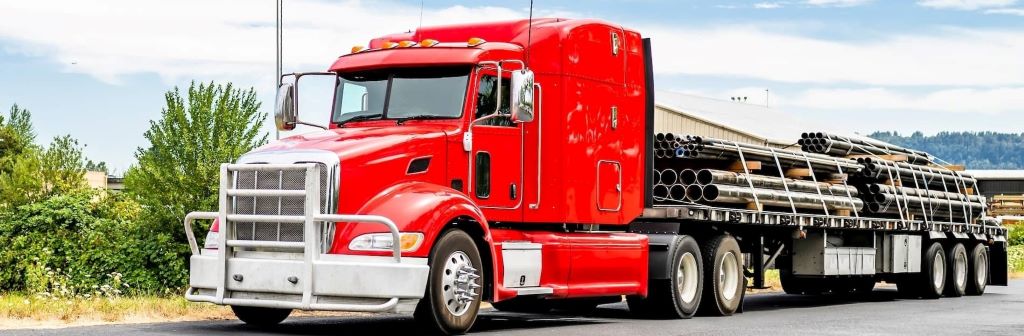
Common Cargo Types and Securement Methods
Different cargo types require specific securement approaches based on their characteristics. Understanding these requirements prevents damage and ensures compliance. However, some cargo may need custom securement solutions beyond standard methods.
Steel Products
Steel coils, sheets, and structural materials present unique challenges due to their weight and shape. Edge protection prevents cutting of securement devices. Additionally, steel’s smooth surfaces may require special friction-enhancing materials.
Construction Equipment
Heavy machinery requires multiple securement points due to its size and weight. Blocking wheels prevents rolling during transport. Moreover, removing or securing loose components prevents damage and loss.
Lumber and Building Materials
Bundled materials need securement that prevents individual pieces from shifting. Cross-bracing maintains bundle integrity during transport. Furthermore, weather protection may be necessary for certain materials.
Pre-Trip Inspection Requirements
Thorough pre-trip inspections identify potential problems before they cause accidents. According to the Department of Transportation, proper vehicle inspections significantly reduce commercial vehicle accidents and improve road safety for all users.
Trailer Condition Assessment
Check the trailer deck for damage, protruding nails, or worn areas. Inspect tie-down anchor points for cracks or excessive wear. Additionally, verify that all lighting and electrical systems function properly.
Securement Equipment Inspection
Examine all chains, straps, and binders for damage or wear. Test winch mechanisms for proper operation and adequate lubrication. Therefore, replace any questionable equipment before loading cargo.
Loading Procedures and Best Practices
Systematic loading procedures ensure cargo placement meets securement requirements. Planning the loading sequence prevents repositioning heavy items multiple times. Moreover, proper techniques reduce loading time and improve safety.
Loading Sequence Planning
Position the heaviest items first to establish a stable base. Place lighter cargo on top or around heavier pieces when possible. Additionally, consider unloading sequence to avoid blocking access to earlier deliveries.
Equipment Positioning
Place securement equipment conveniently before loading cargo. Position chains and straps to avoid interference with loading operations. Furthermore, ensure adequate workspace around the trailer for safe securement activities.
En-Route Securement Monitoring
Cargo securement requires monitoring throughout the journey to maintain effectiveness. Vibration, temperature changes, and settling can affect securement integrity. Therefore, regular checks prevent cargo shifts that could cause accidents.
Inspection Intervals
Federal regulations require securement inspection within the first 50 miles of travel. Additional inspections are necessary every 150 miles or three hours thereafter. However, weather conditions or cargo characteristics may require more frequent checks.
Adjustment Procedures
Retighten securement devices as needed to maintain proper tension. Add additional tie-downs if cargo shows signs of shifting. Additionally, document any adjustments made during transport for compliance records.
Weather Considerations
Weather conditions significantly impact cargo securement effectiveness and safety. Rain, snow, and wind create additional challenges for flatbed operations. Moreover, temperature changes can affect securement device tension and cargo characteristics.
Wet Conditions
Rain reduces friction between cargo and trailer deck surfaces. Wet securement devices may stretch more than when dry. Therefore, additional tie-downs or enhanced friction materials may be necessary.
Wind Loading
High crosswinds create lateral forces that standard securement may not address adequately. Tall or lightweight cargo requires special consideration in windy conditions. Furthermore, wind direction changes can shift forces unexpectedly.
Technology and Innovation
Modern technology improves cargo securement monitoring and compliance documentation. Electronic logging devices track vehicle movements and timing. Additionally, tension monitoring systems provide real-time securement status information.
Monitoring Systems
Wireless sensors can monitor tie-down tension throughout the journey. Alert systems notify drivers when securement requires attention. Moreover, these technologies create documentation for compliance and insurance purposes.
Training and Certification
Proper training ensures drivers understand securement requirements and techniques. Regular updates keep operators current with changing regulations and best practices. Furthermore, certification programs validate driver knowledge and skills.
Continuing Education
The transportation industry continues evolving with new technologies and regulations. Ongoing education helps drivers adapt to these changes effectively. Additionally, refresher training reinforces critical safety concepts and procedures.
Conclusion
Effective flatbed trailer cargo weight securement requires understanding regulations, proper equipment selection, and systematic procedures. Weight capacity knowledge, combined with appropriate securement methods, ensures safe transportation operations. Additionally, regular inspections and monitoring maintain securement effectiveness throughout the journey. Proper training and adherence to federal regulations protect drivers, cargo, and the traveling public while ensuring compliance with transportation laws.
Frequently Asked Questions
Q: What is the maximum weight a 53-foot flatbed trailer can legally haul? A: The maximum legal weight depends on axle configuration and state regulations, but typically ranges from 80,000 to 105,500 pounds gross vehicle weight. Individual axle limits also apply and must not be exceeded.
Q: How many tie-downs are required for different cargo weights? A: Cargo under 5 feet and 1,100 pounds requires one tie-down. Longer or heavier cargo needs one tie-down per 10 feet of length, with additional requirements based on weight and cargo type.
Q: Can I use different types of securement devices together? A: Yes, combining different securement methods often provides superior cargo control. However, each device must meet working load limit requirements, and the combined system must satisfy federal regulations.
Q: How often should I check cargo securement during transport? A: Federal law requires inspection within the first 50 miles and every 150 miles or three hours thereafter. Weather conditions or cargo characteristics may necessitate more frequent checks.
Q: What happens if my cargo securement fails inspection? A: Drivers must immediately correct any securement violations before continuing. Failure to maintain proper securement can result in fines, vehicle detention, and increased liability for accidents or cargo damage.
Read More:
Max Weight for a 53 Ft Trailer: What You Need to Know
How to Monetize a Podcast with a Small but Engaged Audience