How to Start a Print-on-Demand Merchandise Store with Original Designs
Starting a print-on-demand merchandise store with original designs is an exciting way to turn creativity into profit. Imagine launching a store where your unique artwork adorns T-shirts, mugs, or tote bags, reaching customers worldwide without holding inventory. The print-on-demand model handles production and shipping, letting you focus on designing. According to a 2023 Statista report, the global print-on-demand market is projected to reach $10 billion by 2025, showing its growing popularity. My journey began with a single sketch that became a bestseller, inspiring me to share this guide. Whether you’re an artist or entrepreneur, this post will walk you through starting a print-on-demand merchandise store with original designs, making your vision a reality.
Why Choose Print-on-Demand for Your Merchandise Store?
The print-on-demand model is a game-changer for aspiring entrepreneurs. You create designs, and a third-party provider prints and ships products only after a sale. This eliminates upfront costs and inventory risks. In 2022, Grand View Research noted that the print-on-demand industry grew by 12% annually due to its low barrier to entry. You don’t need a warehouse or thousands in startup capital—just creativity and a plan.
Additionally, it’s flexible. You can sell T-shirts, hoodies, or phone cases with your designs, testing what resonates with customers. My first store started with five designs, and I scaled up after seeing what sold. This model suits artists who want to focus on creating rather than logistics. However, choosing the right platform is key to success, which we’ll explore next.
Selecting the Right Print-on-Demand Platform
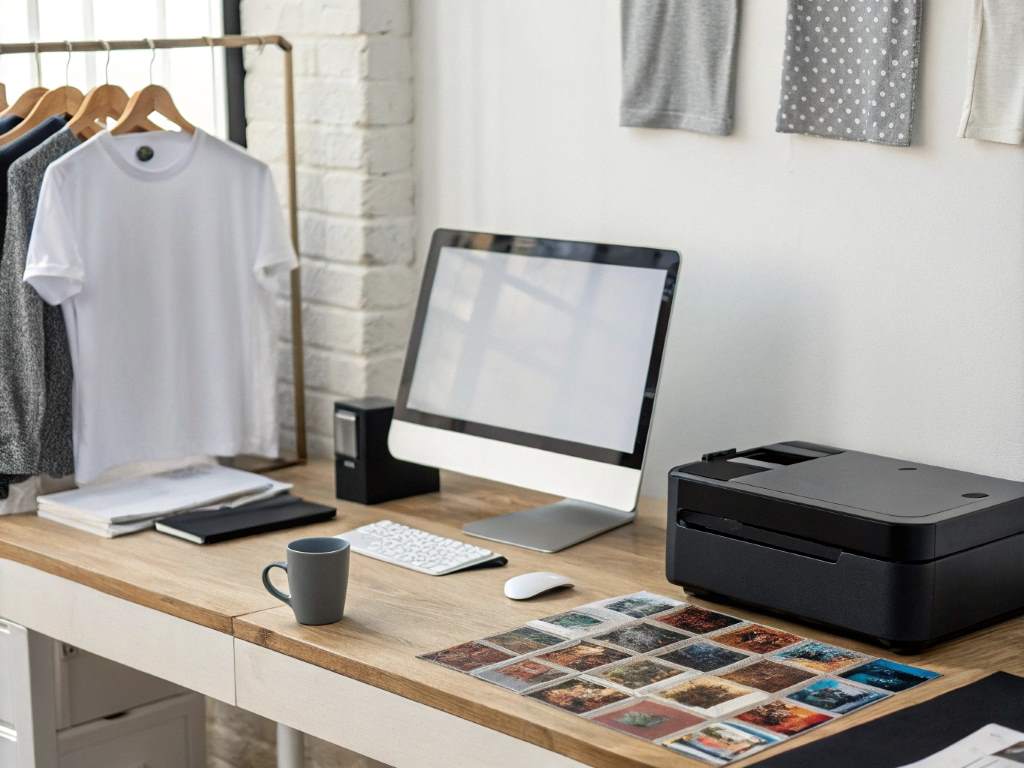
Choosing a platform is critical when starting a print-on-demand merchandise store. Popular options like Printful, Teespring, and Redbubble offer different features. Printful integrates with Shopify and Etsy, while Redbubble has a built-in marketplace. Research from Ecommerce Platforms in 2024 shows that 68% of print-on-demand sellers prefer platforms with seamless e-commerce integration for better sales tracking.
First, compare product ranges, pricing, and shipping times. Printful, for example, offers over 200 products, from apparel to home decor. Next, check design tools and customer support. I spent weeks testing platforms before choosing one with reliable shipping. Ensure the platform supports your vision for original designs. Read reviews on sites like Trustpilot to gauge reliability. A good platform simplifies operations, letting you focus on creativity.
Creating Original Designs That Sell
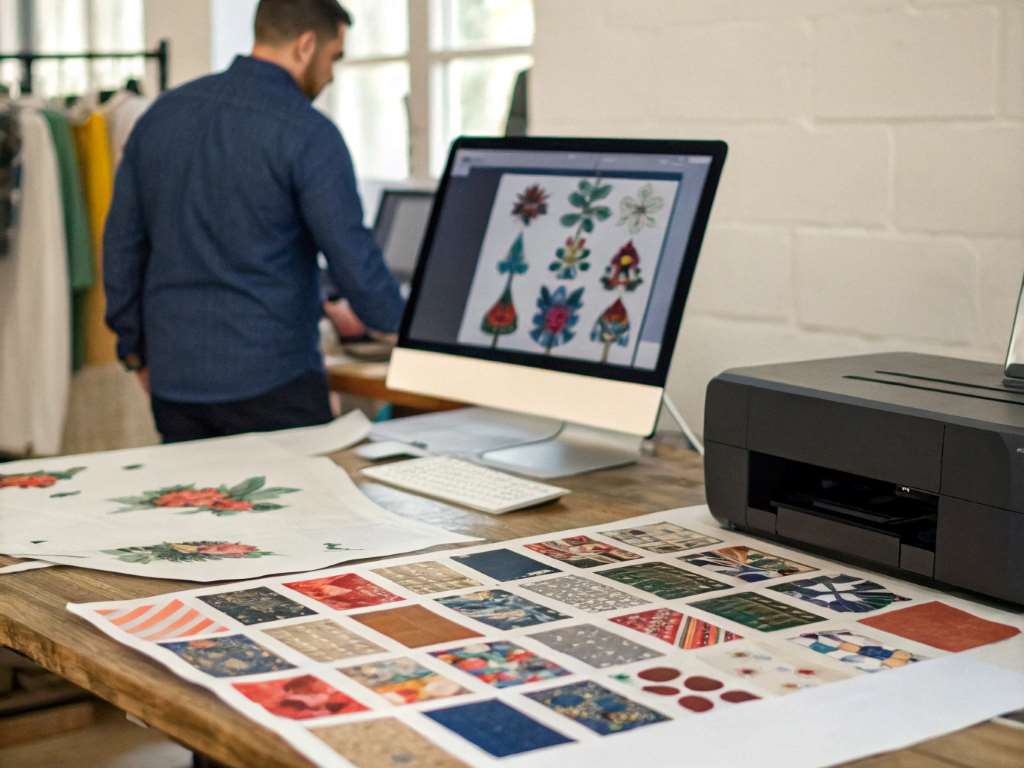
Original designs are the heart of your print-on-demand merchandise store. Start by researching trends on platforms like Instagram or Pinterest. Focus on niches like fitness, pets, or pop culture. For instance, my cat-themed designs sold well because I targeted pet lovers. According to a 2024 Oberlo study, niche products drive 55% of print-on-demand sales due to their targeted appeal.
Use tools like Adobe Illustrator or Canva for professional designs. Keep designs simple yet bold to stand out on products. Test small batches to see what clicks with your audience. Additionally, ensure your designs are high-resolution (300 DPI) for quality printing. Avoid copyrighted material to prevent legal issues. Creating unique, trend-driven designs sets your store apart in a competitive market.
Tips for Eye-Catching Designs
- Research trends: Check social media for popular themes.
- Keep it simple: Bold, clear designs work best on merchandise.
- Test and tweak: Start with a few designs and refine based on sales.
Setting Up Your Online Store
Once you have designs, it’s time to set up your print-on-demand merchandise store. Platforms like Shopify, WooCommerce, or Etsy are great choices. Shopify’s user-friendly interface made it my go-to when I started. It integrates with print-on-demand services, automating order fulfillment. A 2023 Shopify report states that 70% of new e-commerce stores use its platform for scalability.
First, choose a memorable store name and domain. Next, customize your store’s look with a clean theme that highlights your designs. Upload products with clear descriptions and high-quality mockups. Set competitive prices by researching similar products. For example, I priced T-shirts at $25 to cover costs and profit. Finally, ensure your store is mobile-friendly, as 60% of online shoppers use phones, per Statista. A polished store builds trust and drives sales.
Marketing Your Print-on-Demand Store
Marketing is crucial to attract customers to your print-on-demand merchandise store. Social media platforms like Instagram and TikTok are ideal for showcasing designs. I gained traction by posting design teasers on Instagram Stories, driving traffic to my store. A 2024 Hootsuite study found that 80% of e-commerce brands use social media for customer acquisition.
Start with organic marketing: share behind-the-scenes content or customer reviews. Use hashtags like #PrintOnDemand or #CustomMerch to boost visibility. Paid ads on Facebook or Google can also drive traffic, but start small to test budgets. Collaborate with influencers in your niche for wider reach. For example, a fitness influencer wearing my gym-themed T-shirt doubled my sales. Consistent, authentic marketing builds a loyal customer base over time.
Effective Marketing Strategies
- Social media: Post engaging content on Instagram and TikTok.
- Email campaigns: Send newsletters with new designs or discounts.
- Influencer partnerships: Work with niche influencers to promote products.
Managing Finances and Pricing
Pricing your products correctly ensures profitability in your print-on-demand merchandise store. Calculate costs, including platform fees, production, and shipping. For example, a $10 T-shirt base cost with $5 shipping needs a markup for profit. I set my prices at $25 to cover costs and earn $10 per sale. A 2023 Business Insider report suggests a 30–50% profit margin for sustainable e-commerce businesses.
Track expenses using tools like QuickBooks or Wave. Set aside funds for taxes, as self-employment tax applies to store profits. Offer discounts sparingly to maintain value. I learned this after a 50% off sale hurt my margins. Monitor sales data to adjust pricing based on demand. Clear financial management keeps your store thriving and scalable.
Scaling Your Print-on-Demand Business
Once your store gains traction, scaling is the next step. Add new products like hoodies or mugs to diversify offerings. I expanded from T-shirts to phone cases, boosting revenue by 20%. According to a 2024 Forbes study, diversified product lines increase e-commerce revenue by 15–25%.
Hire a virtual assistant for customer service or outsource design work to freelancers on platforms like Upwork. Reinvest profits into marketing or premium tools like Adobe Suite for better designs. Analyze sales data to identify top-performing products. For instance, my holiday-themed designs spiked in December, so I doubled down on seasonal items. Scaling strategically ensures long-term success while keeping your creative spark alive.
Handling Customer Service and Feedback
Great customer service sets your print-on-demand merchandise store apart. Respond to inquiries within 24 hours to build trust. I once resolved a shipping issue promptly, turning an upset customer into a repeat buyer. A 2023 Zendesk report shows that 70% of customers value quick responses in e-commerce.
Use automated tools like Zendesk for ticketing or live chat. Address returns or refunds clearly in your store policies. Encourage feedback through post-purchase emails to improve designs. For example, customer suggestions led me to tweak a design’s color, boosting sales. Monitor reviews on your platform and social media to maintain a positive reputation. Excellent service fosters loyalty and drives word-of-mouth referrals.
Conclusion
Starting a print-on-demand merchandise store with original designs is a rewarding journey for creative entrepreneurs. From choosing a platform to crafting unique designs and marketing effectively, each step builds toward success. My store began with a single design and grew through trial, error, and persistence. The print-on-demand model offers flexibility and low risk, making it ideal for beginners. With the market growing, as Statista predicts, now is the perfect time to launch your store. Take the first step today, and share your designs with the world. Have questions or tips? Leave a comment or share this article to inspire others!
FAQs
How much does it cost to start a print-on-demand store?
Costs are low, typically $0–$100 for a domain, platform fees, and design tools. Most platforms like Printful have no upfront fees.
What products sell best in a print-on-demand store?
T-shirts, hoodies, and mugs are top sellers. Niche designs, like pet or hobby themes, often perform best.
Do I need design skills to start a print-on-demand store?
Basic skills help, but tools like Canva make designing easy. You can also hire freelancers for professional designs.
How long does it take to see sales in a print-on-demand store?
Sales can start within weeks with good marketing. Consistent effort in 3–6 months often yields steady results.
Can I run a print-on-demand store part-time?
Yes, it’s flexible. Many sellers, including myself, manage it part-time while focusing on design and marketing.